Why Pro-AI groups poured $29 Million into US midterms
Pro-AI groups spent $29M backing 2026 midterm candidates, mostly Republicans, as data center backlash grows—read how it may shape races.
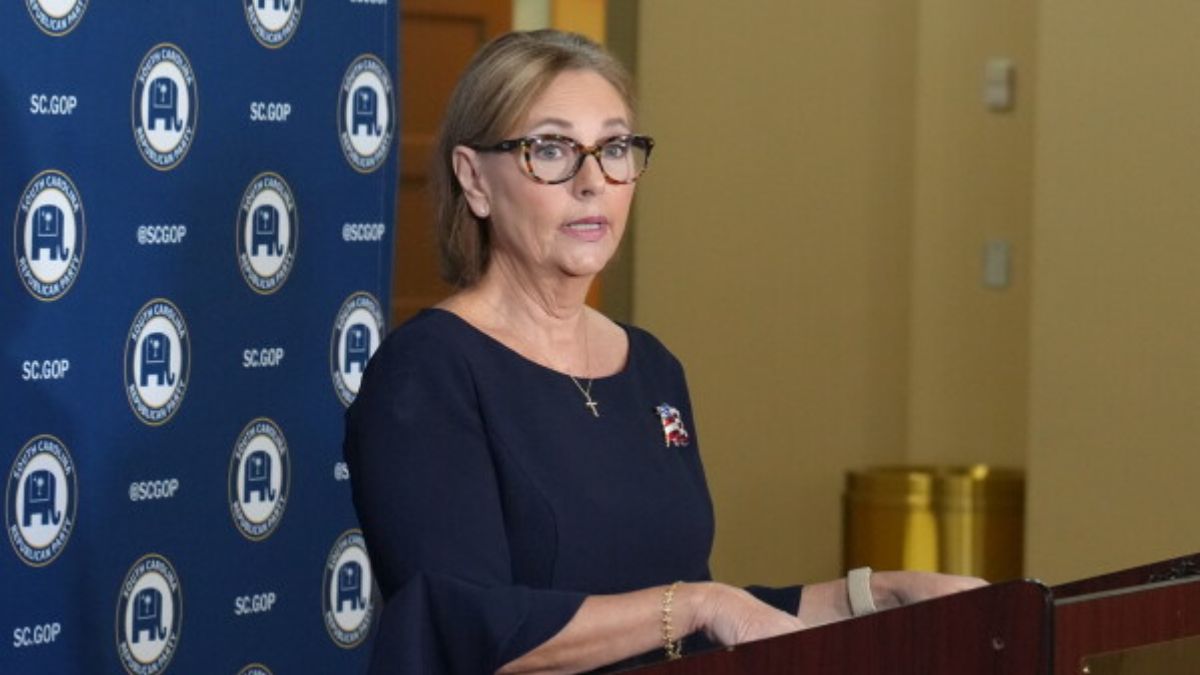
Pro-AI groups have spent more than $29 million backing candidates in the 2026 US midterm elections, with Republican candidates receiving a larger share of the funding as opposition to data centre construction grows across the country, according to a Newsweek report. Republican Senator Darline Graham of South Carolina has received $4.5 million from AI booster groups during the current election cycle, according to the latest Q3 Federal Election Commission (FEC) filings cited by Newsweek.
This is more than three times the amount received by any other candidate in the country. The funding comes at a time when the AI industry is facing growing public resistance over the expansion of data centres and their impact on local communities. Newsweek reported that the industry's political spending shows an effort to retain support in Congress as opposition to AI infrastructure increases. Morgan Stanley flags energy prices as a key risk AI groups spend millions on US midterm candidates Pro-AI groups have spent more than $29 million on independent expenditures during the current election cycle.
This figure covers direct spending on candidates but excludes contributions from 501(c)(4) organisations, commonly known as dark money groups. AI booster groups have spent $18.5 million supporting Republican candidates and $11 million backing Democrats. Congressman Ritchie Torres of New York is the only Democrat to have received more than $1 million from pro-AI groups. He has an AI Policy Score of 3.4, indicating support for the industry.
According to Newsweek, Republicans in Congress had an average score of 3.64 on data centres, placing them in the Lean Booster category. Democrats recorded an average score of 1.97, putting them in the Lean Skeptic category. AI-sceptic groups have also spent millions during the election cycle. According to Newsweek's analysis of FEC filings, these groups have spent $9 million attacking Republican candidates, compared with less than $1 million targeting Democrats.
Democratic Congresswoman Valerie Foushee of California and Republican candidate Carlos De La Cruz Jr. of Texas are the only two candidates to have received more than $1 million in support from AI-sceptic groups. The Trump administration has made the AI industry a key part of its economic agenda, committing billions of dollars to the sector. This has also tied congressional Republicans more closely to the industry's interests.
However, public opinion presents a challenge. A September CNN poll cited by Newsweek found that more than 75% of Americans had fears or concerns about the growth of AI. A separate Gallup survey cited in the report found that seven in 10 Americans opposed the construction of data centres in their communities. The issue has also become politically significant in traditionally Republican constituencies, including South Carolina.
Graham does not have an official AI Policy Score because she has not served in the Senate long enough to establish a voting record. She took over the Senate seat held by her late brother, Lindsey Graham, in July. Her brief tenure has nevertheless included support for data centre development. During an August debate, she said, “We need to build data centers.” Her position has since become a target for her political opponents, who have sought to link her campaign funding to the AI industry's interests.
Newsweek reported that a recent advertisement funded by Government That Works PAC, a dark money group supporting Democratic Senate campaigns, questioned Graham's position on data centres. “South Carolina has a proud tradition of respected public servants, but is Darline Graham ready to join them?” a narrator says as the camera pans past portraits of former South Carolina leaders in the advertisement.
“Darline does know a lot of Washington insiders who handpicked her, and now data centers are bankrolling her campaign, so they get no regulations. Data Center Darline—she’ll put their needs ahead of yours.” The advertisement targets Graham while promoting her Democratic challenger, Dr. Annie Andrews. Andrews has also launched a website, DataCenterDarline.com, to highlight the issue and has repeatedly used the nickname during her campaign.
An October 28 poll by The New York Times and Siena College, cited by Newsweek, showed Graham and Andrews tied at 48% each. AI-sceptic groups target Republican candidates Spending by groups opposing the AI industry has also become a significant factor in the midterm races. According to Newsweek, AI-sceptic groups have spent a total of $21 million during the election cycle. Of this, $11 million has gone towards supporting their preferred candidates, while nearly $10 million has been spent opposing candidates they do not support.
Republican Senator Jon Husted of Ohio has received the largest amount of opposition spending from these groups. Husted is trailing former Democratic Senator Sherrod Brown by 2.6 percentage points in the RealClear Polling average, according to the figures cited in the Newsweek report. His record on data centres has also evolved. As Ohio's lieutenant governor between 2019 and 2025, Husted welcomed data centre investments into the state.
However, as opposition to the facilities has grown, he has adopted a more cautious position. He sponsored the Ratepayer Protection Act, which seeks to prevent households and small businesses from bearing the cost of electricity grid upgrades required to support AI data centres. Husted currently has an AI Policy Score of 3.2, reflecting a mixed position on the issue. Despite his recent efforts to address concerns over data centre costs, he remains a major target for AI-sceptic groups, Newsweek reported.
AI spending could become a key election issue The growing spending battle could become a major talking point in the political assessment of the 2026 midterm elections. Newsweek noted that polling across the country shows Republican candidates in traditionally conservative states facing challenges as concerns about data centres and AI infrastructure gain traction among voters. If these trends continue, the AI industry's financial support for political candidates could become a campaign issue, particularly for Republicans who have publicly backed data centre expansion.
Andrews said voters across South Carolina had raised concerns about the issue during her campaign. I’ve visited all 46 counties across South Carolina, and people are telling me loud and clear: they want a senator who will fight to lower their costs, end this war, stand up to data centers and special interests, and fix our broken healthcare system,” Andrews told Newsweek in a statement. “Darline Graham was handpicked by Washington insiders and special interests, but this seat belongs to the people of South Carolina.”