Two weeks after deadly Houthi strikes, Saudi Arabia’s main airport reopens
The latest reported interceptions came as it restored international flight operations at its main airport.
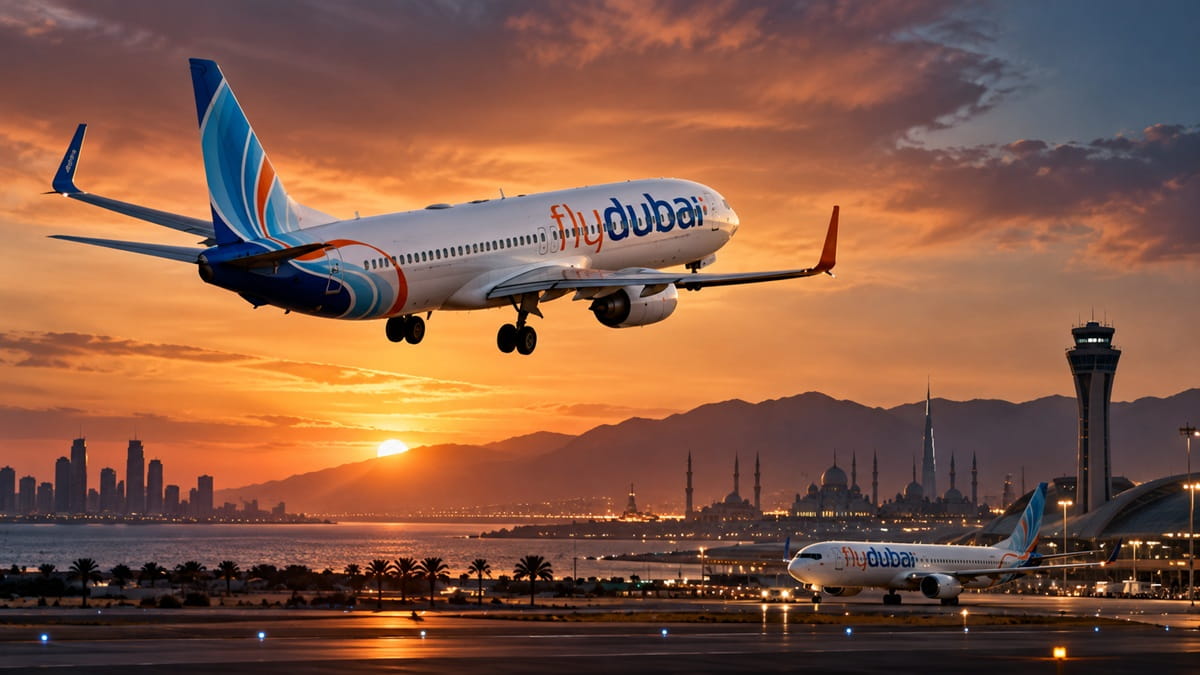
Saudi Arabia has reopened its main airport to international flights more than two weeks after deadly strikes by Yemen's Iran-backed Houthi rebels knocked part of the facility out of service, even as the rebels continued launching missiles and drones towards the kingdom, The Associated Press reported. King Khalid International Airport in Riyadh announced that terminals 1 and 2 had resumed domestic and international operations from Sunday.
The reopening came amid continuing security concerns, with Saudi air defences intercepting a ballistic missile and a drone fired towards Riyadh, as well as 10 ballistic missiles directed at the kingdom's southern region, according to Saudi military spokesman Major General Turki al-Malki, cited by AP. The airport had resumed limited domestic flights last week before reopening the two terminals for international services, AP reported.
In early October, Houthi strikes hit a complex housing two other terminals, killing 17 people and injuring more than 330, according to the news agency. Saudi air defences intercept missiles and drone Saudi military spokesman Major General Turki al-Malki said air defences intercepted and destroyed a ballistic missile and a drone fired towards Riyadh early Sunday. He also reported the interception of 10 ballistic missiles aimed at the southern region.
The latest reported interceptions came as it restored international flight operations at its main airport. The reopening follows the limited resumption of domestic flights last week. Sunday's announcement extended operations to international passengers through terminals 1 and 2. The military announced new restrictions on Sunday, barring Palestinian labourers from jobs in Israeli settlements. Israeli forces also carried out arrests and demolitions in Hebron, where the attack took place, while several crossings in the territory were closed.
The Hebron municipality said around 2,200 people had been displaced by the operation, according to AP. The crackdown comes in the final days before Israel's election on Tuesday. The vote is widely viewed as a referendum on Prime Minister Benjamin Netanyahu's leadership and security policies during three years of war. The election is the first since the Hamas-led attacks in October 2023 and the ensuing conflicts across the region.
Polling has indicated a tight contest, while the potential impact of Israelis living abroad who return to vote remains uncertain, AP reported. Israeli strikes in Gaza kill seven, Palestinian officials say Israeli strikes in Gaza killed seven people and wounded eight on Sunday, according to Palestinian hospital officials cited by The Associated Press. Two strikes in Gaza City killed four people. Two brothers were killed in Khan Younis in southern Gaza, while another person died in Deir al-Balah in the central part of the territory.
Officials from Shifa, Hamad, Nasser and Al-Aqsa hospitals, as well as an American field hospital, confirmed the deaths, AP reported. More than a year after a ceasefire deal began in October 2025, Israel has continued carrying out strikes in Gaza, saying it targets militants. Gaza's Health Ministry, which operates under the Hamas-run government, said more than 1,500 Palestinians had been killed by Israeli strikes since the ceasefire began, according to AP.
The ministry does not distinguish between civilian and militant casualties, but says women and children account for nearly half of those killed. Israeli law generally requires citizens to vote in person in the country, with limited exceptions for diplomats and certain official representatives serving abroad. Israel has more than 7.3 million registered voters, and previous elections have been decided by narrow margins.
The effect of voters returning from overseas remains unclear. AP noted that many liberal Israelis opposed to Netanyahu have left the country in recent years, raising questions about the political preferences of those returning to cast ballots.