Nasdaq 100 drops 3% as risk-off dominates with oil prices rising
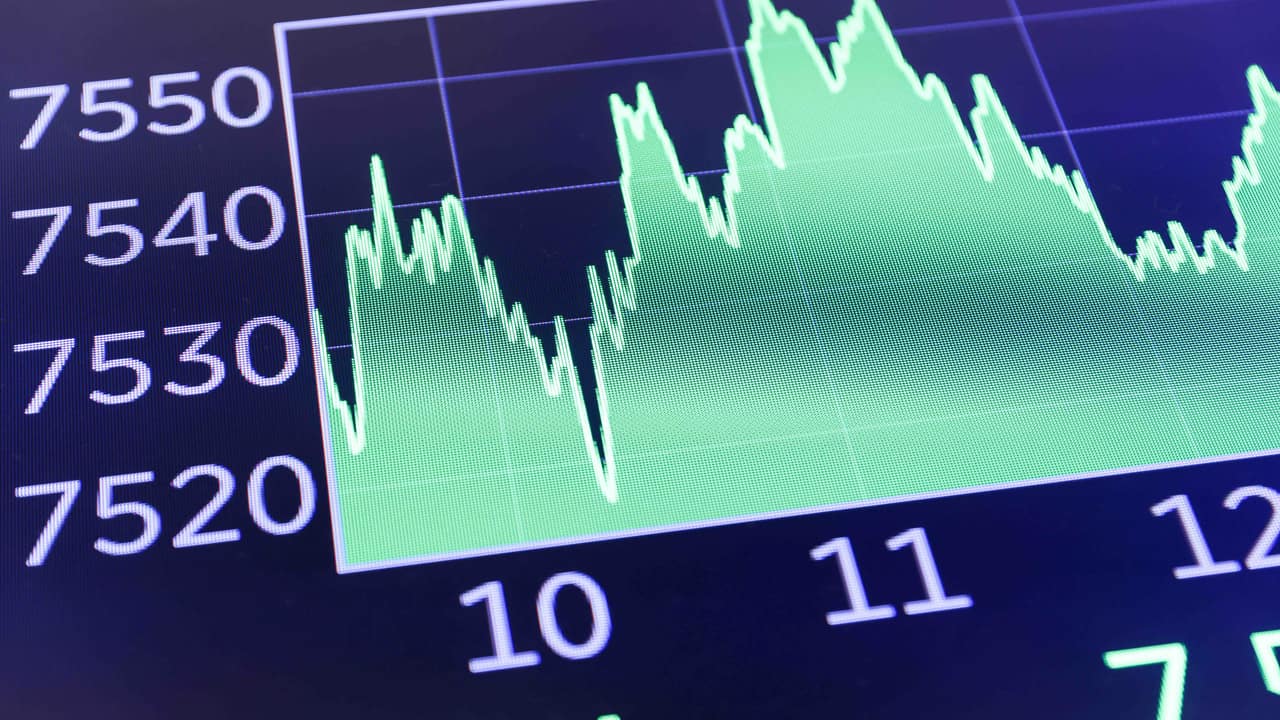
Selling was concentrated in technology megacaps, with the Nasdaq 100 Index sliding as much as 3% before paring the decline
Stocks extended declines as escalating concern about the Mideast conflict pushed oil futures higher, spurring inflation fears with US midterm elections less than two weeks away. Meta Platforms Inc. tumbled as investors parsed its results along with the rest of the latest batch of technology earnings for evidence that massive spending on AI is paying off. Selling was concentrated in technology megacaps, with the Nasdaq 100 Index sliding as much as 3% before paring the decline.
The Philadelphia Semiconductor Index, or SOX, tumbled 6.4%, the most intraday since July. The S&P 500 Index dropped 1.4%, while an equal-weighted version of the S&P 500 Index — a proxy for market breadth — advanced 0.2%. The equal-weighted gauge was on track for its best day since 2024 relative to the S&P 500. “It feels like just a risk-off day and tech is always the first to get hit,” said Joseph Saluzzi, partner and co-head of equity trading at Themis Trading LLC.
“The bond rally also confirms the risk-off approach.” Investors are concerned that “post-election, the Iran war may escalate and potentially continue for a longer time than anticipated.” Stocks extended declines as escalating concern about the Mideast conflict pushed oil futures higher, spurring inflation fears with US midterm elections less than two weeks away. Meta Platforms Inc. tumbled as investors parsed its results along with the rest of the latest batch of technology earnings for evidence that massive spending on AI is paying off.
Selling was concentrated in technology megacaps, with the Nasdaq 100 Index sliding as much as 3% before paring the decline. The Philadelphia Semiconductor Index, or SOX, tumbled 6.4%, the most intraday since July. The S&P 500 Index dropped 1.4%, while an equal-weighted version of the S&P 500 Index — a proxy for market breadth — advanced 0.2%. The equal-weighted gauge was on track for its best day since 2024 relative to the S&P 500.
“It feels like just a risk-off day and tech is always the first to get hit,” said Joseph Saluzzi, partner and co-head of equity trading at Themis Trading LLC. “The bond rally also confirms the risk-off approach.” Investors are concerned that “post-election, the Iran war may escalate and potentially continue for a longer time than anticipated.” “Investors should stay invested for further equity gains via broadly diversified exposure across sectors and regions,” while building resilience via fixed income and commodities, Ulrike Hoffmann-Burchardi, UBS global equities head, said in a note.
Meta slid 7.6%, the most intraday since July, even after reporting better-than-expected results and boosting its capital spending outlook. Shares had initially traded higher following the results, as CEO Mark Zuckerberg touted its AI agent Muse. On Thursday, a gauge of the company’s credit risk surged to a fresh record as spending plans reignited fears tech giants will issue more debt in an already-saturated market.
Tesla Inc. shares shed 2.2% after the electric-car maker cut its spending plans. Elevated operating expenses underscored the cost of its AI, robotics and autonomy push. The sector faces broad threats, according to Apollo Chief Economist Torsten Slok. “If the AI payoff is slow to materialize or never arrives, venture capital returns would come under pressure, since the capital funding today’s token spending would have little to show for it, and a pullback in venture funding could in turn weaken demand for compute,” he warned in a note.
Chipmakers and other tech stocks fell after reports from Tesla, Lam Research Corp. and IBM underwhelmed, weighing on growth sectors and pushing cryptocurrency-linked names lower. Lam Research’s weaker-than-expected guidance pressured the broader chip-equipment complex, overshadowing a beat from Texas Instruments Inc. Apple Inc., Wall Street’s favorite AI haven, rallied. Developments in Europe also spurred unease, as French bond stress deepened with investors ditching riskier assets around the world.
“German bunds and US Treasuries are the flight to safety trade in the face of this, for now,” Peter Boockvar, author of The Boock Report, wrote in a note. He expects that “at least in the short term, yields in the US have seen a temporary peak.” Blackstone Inc. was a bright spot, gaining 6.47% after President Jon Gray said investors shouldn’t fear that the AI boom will turn into a bubble as demand is “parabolic,” just days after billionaire Ken Griffin said he’s worried the industry was “almost certainly” headed in that direction.
Common shares of mortgage-finance giants Fannie Mae and Freddie Mac jumped after investor Bill Ackman discussed releasing the two from government control.