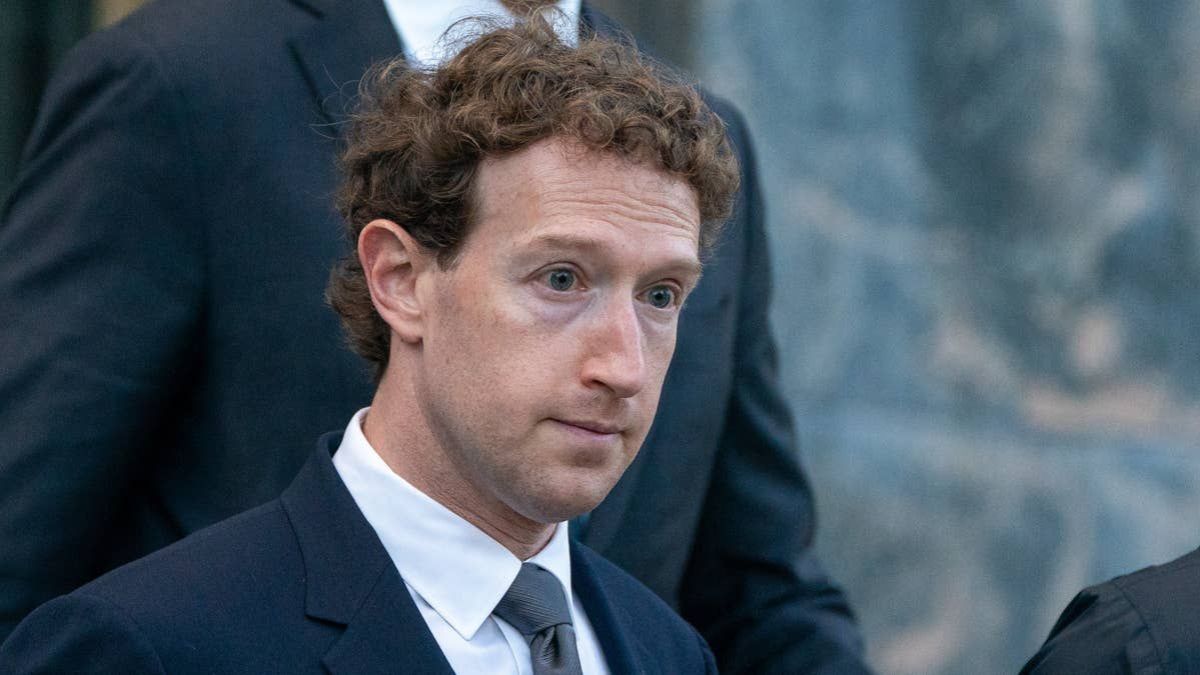
Meta’s $95 billion AI bet: Why Zuckerberg is turning to investors for cash
Meta plans to raise $95 billion through stock sales to fund its AI business amid warnings from Elon Musk about financial struggles for over 200 smaller AI data center companies facing funding shortages. Nvidia, AMD, and Broadcom may invest up to $5 billion.
Meta, the parent company of Facebook, Instagram and WhatsApp, plans to raise $95 billion through stock sales to help pay for its growing artificial intelligence (AI) business. Meta announced its fundraising plans on Monday, October 26. The move comes as Elon Musk warns that more than 200 smaller companies providing computing power to AI firms could face financial trouble because of a shortage of funding.
Meta, led by Mark Zuckerberg, is one of the biggest investors in AI. The company is spending billions of dollars on data centres, which provide the computing power needed to develop and run AI technology. How Meta plans to raise $95 billion Meta plans to raise the money through two separate stock offerings. Under the first plan, the company aims to raise $35 billion by selling shares through an underwritten public offering.
In this type of sale, investment banks agree to buy the shares and sell them to investors. Meta, Tesla earnings and AI concerns in focus Meta also plans to raise another $60 billion through an at-the-market offering. Under this arrangement, the company will sell new shares to investors at the prevailing market price over time. The second offering will involve a new class of common stock, known as Class C shares, which Meta announced last week.
These shares will not carry voting rights, allowing the company to raise money without reducing Zuckerberg's control over its decisions. Nvidia, AMD and Broadcom could invest up to $5 billion Nvidia, AMD and Broadcom have expressed interest in becoming cornerstone investors in Meta's stock offering. All three companies supply chips and other computing equipment used to power Meta's AI data centres.
Meta said the three US companies could together invest up to $5 billion in the offering. The fundraising comes as investors grow more cautious about the money being spent on AI and whether companies will earn enough to justify their investments. US technology stocks have fallen in recent weeks amid concerns about the sustainability of the AI boom that has driven much of Wall Street's gains in recent years.
The Nasdaq 100 index has lost more than 5% over the past month, with semiconductor stocks facing heavy selling. Meta's shares ended Monday's trading session 1.9% lower. The stock had already fallen 7% last Thursday after the company warned investors that it would need to raise “hundreds of billions of dollars” over several years to fund its AI plans. SpaceX strikes $40 billion AI chip financing deal SpaceX on Monday confirmed a $40 billion deal with Apollo Global Management to finance AI chips and computing equipment.
The deal, led by the private capital group, will run for five years and is expected to begin in the first half of 2027. SpaceX said it was the largest deal of its kind involving AI servers powered by Nvidia chips. The company said the agreement would help it secure the computing power needed to expand its AI operations without depending on a single source of funding. The agreement is part of a wider push by technology companies to find new ways to pay for the chips and data centres needed to develop AI.
Broadcom announces $63 billion financing deal linked to Anthropic Broadcom also announced a $63 billion debt financing deal on Monday involving AI company Anthropic. Under the arrangement, a special-purpose vehicle (SPV), a separate legal entity created for a specific financial purpose, will use funding from Blackstone, Bank of America, Citi and Morgan Stanley to buy Broadcom's chips and lease them to Anthropic.
Broadcom will provide a residual value guarantee to the SPV equal to the financing provided by the three banks. Such a guarantee offers protection against the risk that the assets will be worth less than expected. "As of the past few weeks, debt markets have almost entirely shut off access to money for any company that doesn't have substantial revenue independent of AI data centres," Musk wrote. He warned that more than 200 neocloud companies could face a wave of failures and mergers as funding becomes harder to secure.
Comparing their chances of survival to those of guppy fish, which are known to struggle in some home aquariums, Musk wrote: "That means the 200+ neoclouds are going to see guppy-level death and consolidation. Some will make it through, but not many." Musk, the chief executive and largest shareholder of Tesla and SpaceX, was responding to a post by venture capitalist Chamath Palihapitiya. Palihapitiya had described neocloud companies as "disorganised and poorly capitalised" in a post on X, the social media platform owned by Musk.
SpaceX also owns and operates data centres, putting it in the same broader AI infrastructure business. Musk's comments weighed on shares of Neocloud companies Nebius, CoreWeave and Iren in premarket trading on Monday. Shares of CoreWeave and Iren later recovered their losses, while Nebius closed more than 3% lower. Concerns about neocloud companies are centred on the large amounts of debt they have taken on to build data centres and acquire the computing equipment needed by AI firms.
Meta's new share structure aims to protect Zuckerberg's control According to the report from the Financial Times, Meta's latest fundraising plan is linked to a new share structure the company announced last week. The structure is designed to allow Meta to sell shares to raise money for AI investments without reducing chief executive Mark Zuckerberg's control over the company. Under the plan, Meta intends to issue Class C shares without voting rights.
This would allow the company to raise fresh capital while keeping voting power separate from the new shares. The plan could face opposition from shareholders. Meta abandoned a similar proposal in 2017. The latest offering follows a $90 billion equity financing announced by Google's parent company, Alphabet, in June. JPMorgan, the lead bookrunner for that deal, described it as the “largest multi-tranche equity transaction in history”.
SpaceX completed the biggest-ever initial public offering in June, while Anthropic is expected to make its stock market debut before the end of this year. Disclaimer: This article provides factual analysis only and is not, and should not be construed as, an offer, solicitation, or recommendation to buy or sell securities. Investors must conduct their own independent due diligence and seek advice from a registered financial advisor in the respective jurisdiction.