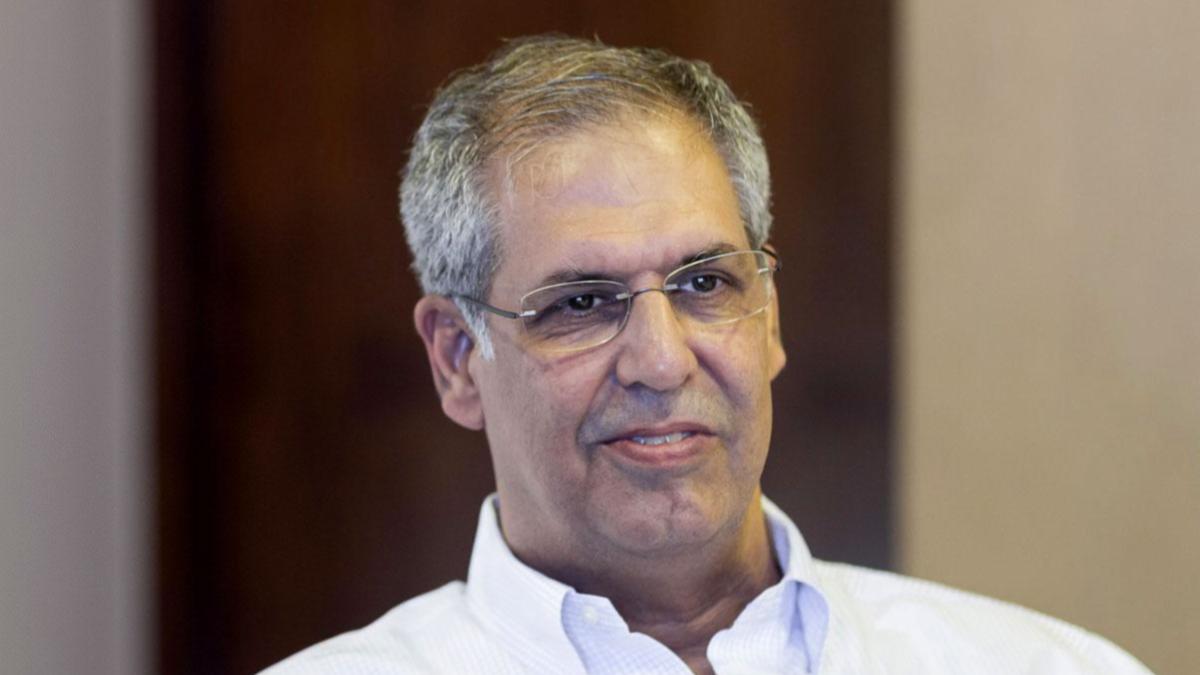
Tata Trusts Chairman Noel Tata requested Tata Sons board resolutions to evaluate a subsidiary merger to prevent an IPO and a ₹25,000-crore capital reduction for the SP Group.
Tata Trusts Chairman Noel Tata has sought to put two contentious issues before the Tata Sons board: a restructuring that could help the holding company avoid a stock market listing, and a Rs 25,000-crore proposal to facilitate the exit of minority shareholder Shapoorji Pallonji (SP) Group. In separate letters dated October 29, Noel has asked Tata Sons management to make detailed presentations on both proposals at the November 26 board meeting and place resolutions before directors for consideration.
The letters bring into sharper focus the regulatory and shareholder challenges confronting the Tata Group's holding company. The latest move comes amid differences within the Tata Sons board over its future structure and the reappointment of Chairman N Chandrasekaran. Earlier this week, Noel sought the minutes and audio and video recordings of the September 17 board meeting, while raising questions about the process followed in Chandrasekaran's reappointment.
He was the sole director to oppose the proposal. According to people familiar with the discussions, the meeting ended without a breakthrough, with both sides unwilling to compromise on certain issues. The first proposal, submitted by the Sir Dorabji Tata Trust (SDTT) and Sir Ratan Tata Trust (SRTT) on September 28, envisages merging two wholly owned subsidiaries, Tata Electronic Systems Solutions (TESS) and Tata Consulting Engineers (TCE), into Tata Sons.
The objective is to give Tata Sons a substantial operating business alongside its role as the group's principal holding company, potentially enabling it to move outside the regulatory definitions of a non-banking financial company (NBFC) and a core investment company (CIC). The proposal has assumed urgency following the Reserve Bank of India's September 11 decision rejecting Tata Sons' application to surrender its CIC registration.
Classified as an upper-layer NBFC, Tata Sons faces regulatory requirements that include listing its shares. The Trusts' proposal argues that the amalgamated entity would have operating revenue of approximately Rs 1.05 lakh crore, accounting for 64.3% of total income, based on figures as of March 31, 2026. Income from financial assets would be around Rs 40,072 crore. The proposed structure is intended to alter the composition of the company's income and assets sufficiently to meet the applicable regulatory tests.
Tata has asked management to evaluate the proposal, present the legal advice received and spell out the steps needed for implementation. 8% to Rs 1,541 crore, revenue jumps 26.5% The proposed sequence involves securing the RBI's prior no-objection certificate before approaching the relevant statutory authorities for approval of the merger. Once the amalgamation takes effect, Tata Sons would seek to surrender its CIC registration and take the necessary steps to exit the NBFC regulatory framework.
Management has also been asked to examine alternatives, including the possible merger of Tata Electronics Products and Solutions into Tata Sons after TESS acquires full ownership of that company. Any merger scheme or regulatory filing would require further board approval. The proposal, therefore, represents a possible route to retaining Tata Sons' unlisted status rather than an assured regulatory outcome.
The second letter concerns the SP Group's request for Rs 25,000 crore through a proposed selective reduction of Tata Sons' share capital. The SP Group, which owns approximately 18.4% of Tata Sons, has long sought a way to monetise its holding. Under the proposal, Tata Sons would purchase and cancel a specified number of shares held by SP shareholders, with the consideration paid in two or more tranches over 18 months.
The price would be determined at fair market value by a merchant banker or registered valuer. The number of shares cancelled would be calculated to arrive at the proposed Rs 25,000-crore consideration. Noel has sought a comprehensive management assessment covering valuation, the payment schedule, funding arrangements, the proposed capital reduction scheme and the legal and regulatory approvals required.
The transaction would also need to address debt secured against the SP Group's Tata Sons shares. This would entail arrangements with lenders for settlement of the secured obligations and release of the existing pledges. The proposal additionally envisages a full and final settlement of claims involving Tata Sons, its directors and shareholders. Crucially, the draft resolution rules out fresh borrowings or recourse to public funds to finance the transaction.
Instead, the possible sources of funding include Tata Sons' internal cash flows, the sale of part of its holdings in listed group companies, third-party investments in newer businesses that could release committed capital, and offers for sale accompanying potential listings of some businesses. The proposed capital reduction would require approval through a special resolution of Tata Sons shareholders, written consent from the SP shareholders, sanction from the Mumbai bench of the National Company Law Tribunal and other applicable regulatory clearances.
The two proposals address different but interconnected challenges. While the restructuring seeks to resolve Tata Sons' regulatory position without a public listing, the capital reduction offers a possible mechanism to address the SP Group's longstanding demand for liquidity. Both would involve complex financial, legal and regulatory decisions. Neither has received board approval, and the November 26 meeting is expected to determine whether either proposal can move towards implementation.
KEY DETAILS # RBI rejected Tata Sons’ application to surrender CIC registration on September 11 # Proposed merger would give operating businesses 64.3% of total income # Rs 25,000-crore payout to SP group envisaged in multiple tranches over 18 months # Funding options exclude fresh borrowings and public funds # Capital reduction requires shareholder, NCLT and regulatory approvals