Israel election: How a party can win most seats but still lose power
Israel’s election has produced a parliamentary stalemate, not a clear winner for the prime minister’s office. Likud won the most seats, but Netanyahu’s bloc fell eight short of a majority.
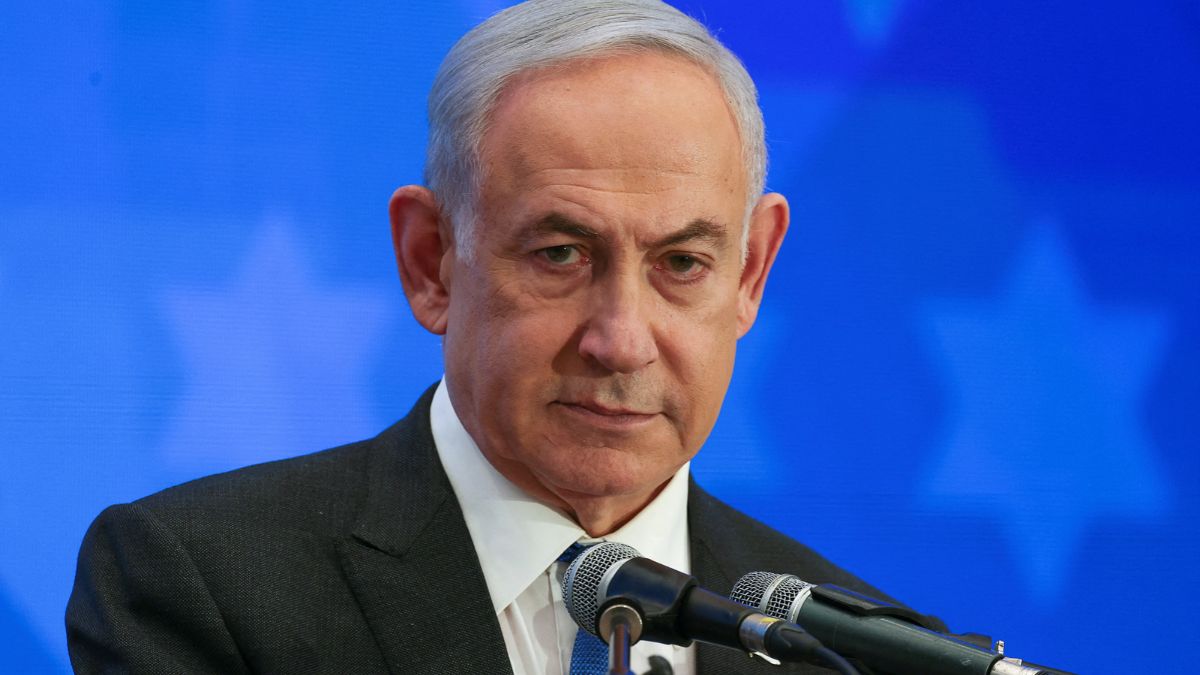
Israel Prime Minister Benjamin Netanyahu’s Likud emerged as the largest party in Israel’s election on October 27, but that does not guarantee him another term. The results have left his political bloc short of a parliamentary majority, while opposition leader Gadi Eisenkot faces his own challenge in assembling enough support to form a government. Israel’s Central Elections Committee put Netanyahu’s bloc at 53 seats in the 120-member Knesset.
The opposition bloc led by Eisenkot won 48 seats, while the two Arab-led parties secured a combined 19 seats. A government needs the support of at least 61 lawmakers to command a majority. Likud won 27 seats, the highest tally for any single party. Eisenkot’s Yashar party secured 21. But Israel does not directly elect its prime minister. Voters choose political parties, which then negotiate with one another to form a government.
This means that finishing first does not automatically translate into power. The leader who can bring together enough lawmakers to secure the Knesset’s confidence has the stronger chance of forming the next government. The final results have set the stage for difficult negotiations among parties with differing political and ideological positions. The outcome has also given Arab-led parties an important role in the government-formation process.
Why does winning most seats not guarantee power? Israel follows a parliamentary system. The Knesset, the country’s parliament, has 120 seats, and a party or alliance needs the support of at least 61 lawmakers to form a majority government. Unlike countries where voters directly elect a president, Israelis do not cast a separate ballot for prime minister. They vote for party lists. After the election, parties negotiate with potential partners to build a coalition that can command parliamentary support.
The Israel Democracy Institute (IDI), in its explainer “Everything You Need to Know About How a Government Is Formed Following Elections”, says the prime minister’s position depends on negotiations among the parties elected to the Knesset. The government draws its authority from parliament and must retain its confidence. In other words, the largest party does not automatically get to govern. It must find enough partners to secure the required support.
Netanyahu’s Likud won 27 seats, but his wider bloc has only 53, leaving it eight short of a majority. Eisenkot’s opposition bloc has 48 seats and needs 13 more. Together, they hold 19 seats. If Eisenkot’s bloc joins hands with both Arab-led parties, the combined strength would reach 67 seats — enough to form a majority government. However, the numbers do not automatically translate into a political agreement.
Several opposition leaders have ruled out working with Arab-led parties. Naftali Bennett and other potential allies face political pressure over the possibility of depending on their support. Eisenkot has left the door open to cooperation under certain conditions, but the parties have not reached a deal. Netanyahu has also rejected a government that relies on Arab-led parties, limiting his options after his existing allies failed to secure a majority.
The IDI says the president usually asks the leader of the largest parliamentary faction to form a government, but this is not compulsory. The key consideration is who has the best chance of securing the Knesset’s confidence. The institute cites the 2009 election as an example. Kadima won 28 seats, while Likud secured 27. Yet President Shimon Peres asked Netanyahu, then leader of the second-largest party, to form the government instead of Kadima leader Tzipi Livni.
The example shows why a party’s seat tally is only one part of the process. Its leader’s ability to gather support from other parties can matter more than finishing first. How will Israel choose its next prime minister? President Isaac Herzog will play an important role in the next stage. After the election results receive formal certification, Herzog will consult representatives of the elected parties before selecting a candidate who appears capable of forming a government.
According to the IDI, the president has considerable discretion in making this decision. The law does not require him to choose the leader of the largest party. Instead, he generally considers which candidate has the strongest chance of winning the Knesset’s confidence. Once Herzog assigns the task, the candidate gets 28 days to form a government. The candidate can request an additional 14 days if negotiations require more time.
If the first candidate fails, the task returns to the president, who can ask another lawmaker to try. The second candidate gets 28 days but cannot request an extension. If that attempt also fails, 61 members of the Knesset can ask the president to nominate a third candidate. That person gets 14 days to form a government. If no candidate succeeds, Israel must hold another election. The process allows for three attempts to form a government.
The IDI says the first candidate has succeeded in most previous cases, but the current seat distribution could make negotiations difficult. The election has produced several possible routes to a majority. One option is for Eisenkot to form a coalition with the Arab-led parties. Together, his bloc and the 19 Arab-led lawmakers would have 67 seats. That could give the opposition a parliamentary majority and remove Netanyahu from office.
However, the political cost could be high. Arab-led parties have rarely joined Israeli governing coalitions. Ra’am became part of a governing coalition in 2021, but that government lasted around 18 months. The AP reported that Netanyahu has described a possible alliance between Eisenkot and Arab-led parties as a betrayal and a national security threat. Such statements have increased the political pressure on opposition leaders who might consider the arrangement.
Their blocs together have 101 seats, although reaching an agreement would require several parties to change their current positions or leave their existing alliances. The AP reported that such a government could address issues including exemptions from compulsory military service for ultra-Orthodox men and economic policy. But Eisenkot and his allies have pledged not to join a government led by Netanyahu.
They have blamed him for the security failures surrounding the October 7, 2023, Hamas-led attack, raised concerns about democratic institutions and referred to his ongoing corruption trial. Netanyahu would also need to reconsider his reliance on far-right and ultra-Orthodox allies if he wanted to build a unity government with the opposition. A third possibility is for Netanyahu to try to attract individual lawmakers or parties from the opposition.
The AP reported that he could approach former allies such as Bennett or Avigdor Liberman. However, both have had serious disagreements with Netanyahu and oppose some of the demands made by his ultra-Orthodox partners. Arab-led parties could also influence parliament without joining the government. The new Knesset is expected to convene on November 10. The opposition and Arab parties could cooperate to elect a speaker and influence the parliamentary agenda even before a new government takes office, the AP reported.
If all negotiations fail, Israel could return to the polls early next year. Netanyahu’s government would remain in a caretaker role until a new administration takes over. Israel has faced repeated election deadlocks in recent years. After a similar political stalemate in 2019, the country held five elections in three and a half years. The final result, therefore, does not settle who will become prime minister.
It determines how many seats each party can bring to the negotiating table. The next government will depend on which leaders can overcome political differences, secure support from other parties and win the confidence of the Knesset. For Netanyahu, the challenge is to turn Likud’s position as the largest party into a workable parliamentary majority. For Eisenkot, it is to bring together parties that campaigned against Netanyahu but do not necessarily agree on who should govern with them.
The 19 seats held by Arab-led parties could prove decisive, but their support alone cannot resolve the political differences within the opposition. Disclaimer: This article is based on publicly available election results, reports and analysis. The government-formation scenarios discussed are possibilities and do not represent confirmed political agreements or predictions of the final outcome. The process remains subject to negotiations among elected parties and the constitutional procedures governing the formation of Israel’s government. Financial Express Digital does not endorse or oppose any political party or candidate.