India’s first mineral exchange: How it could change prices of iron ore, bauxite and 3 other minerals
India’s proposed mineral exchange aims to bring buyers and sellers onto one platform to make mineral prices more transparent. Iron ore, bauxite, chromite, limestone and manganese are among the minerals eligible for initial trading.
PTC India has emerged as the latest entrant in the race to set up India’s first regulated mineral exchange, joining the Multi Commodity Exchange of India (MCX) as the government seeks to create an electronic marketplace to improve price discovery, make mineral prices more transparent and bring buyers and sellers onto a common platform. PTC India’s board approved a wholly owned subsidiary for the venture on October 26, following MCX’s incorporation of its own mineral exchange subsidiary earlier this month.
With two publicly known prospective entrants, the race now turns on regulatory approval and the ability to attract miners, traders and industrial buyers. Applications are due by November 2. Mines Ministry Additional Secretary Veena Kumari Dermal told Moneycontrol on September 22 that the first mineral exchange was expected to be registered and operationalised in FY28. The exchange will initially facilitate trading in all or any of five minerals: iron ore, chromite, bauxite, limestone and manganese.
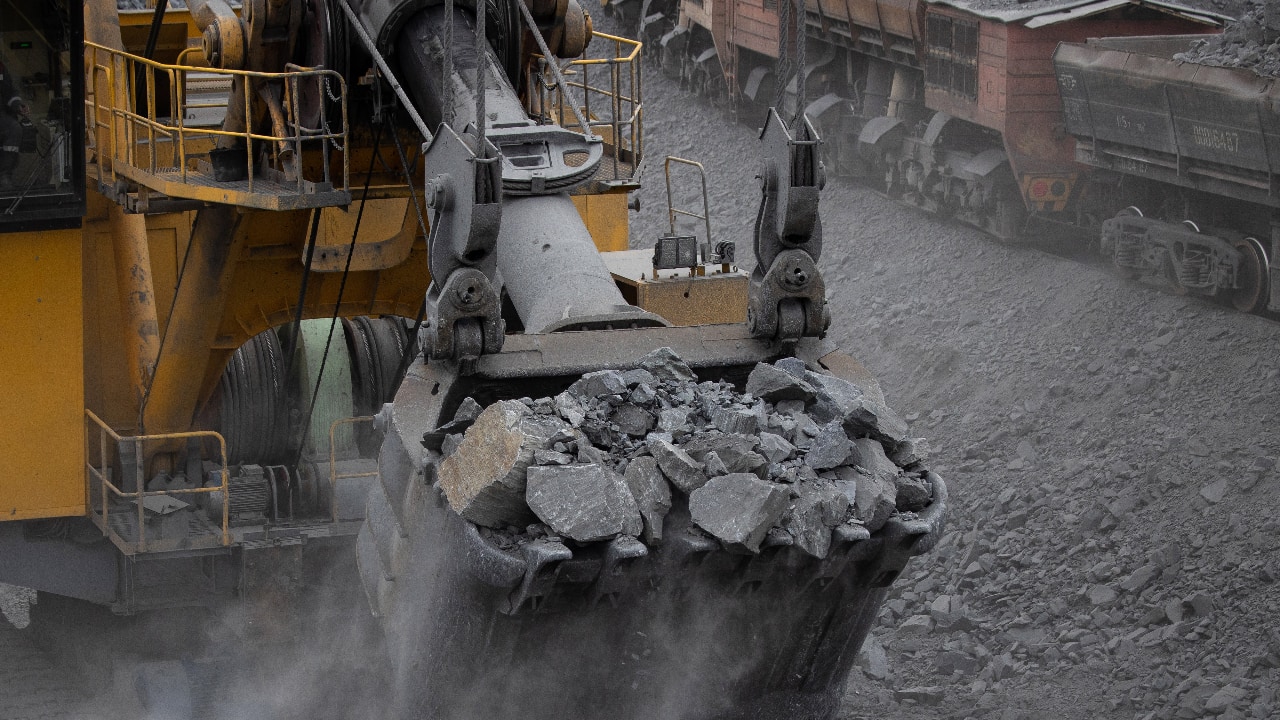
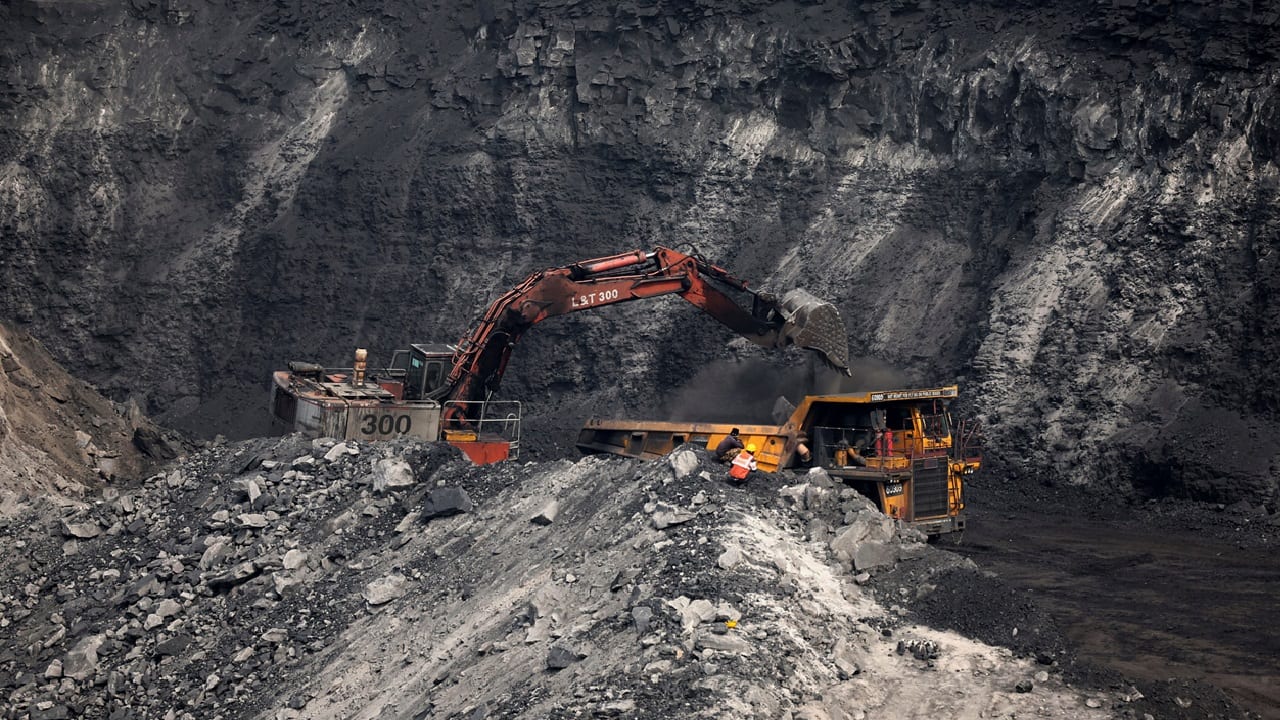
Iron ore is a key raw material for steelmaking, while chromite is used to produce ferrochrome, which gives stainless steel its corrosion resistance. Bauxite is the primary source of aluminium, limestone is used in cement and steelmaking, and manganese is used to improve steel strength. Other eligible minerals can be added later with the Indian Bureau of Mines’ (IBM) approval, the government stated.
For critical minerals, a government official privy to the matter said, their inclusion in the exchange could be considered at a later stage as domestic production scales up and volumes become sufficient to support regular trading. What is a mineral exchange? A mineral exchange is an electronic marketplace where buyers and sellers trade physical minerals through standardised contracts. The framework is governed by the Mineral Exchange Rules, 2026, notified on June 30 under the Mines and Minerals (Development and Regulation) Act, 1957.
The IBM, under the Mines Ministry, is responsible for registering and regulating these exchanges. The rules provide for approved trading contracts, bidding mechanisms, physical delivery and payment arrangements. Independent agencies will test mineral quality, while safeguards and monitoring mechanisms are intended to help detect price manipulation, cartelisation and other unfair practices. The proposed mineral exchange is separate from the coal exchange being developed under a different regulatory framework by the Ministry of Coal.
Sellers will offer minerals on the platform, specifying quantities, quality and other contract terms. Buyers will place bids, and transactions will be carried out under contracts approved by the IBM. For example, a steelmaker looking to buy iron ore could compare offers from multiple sellers on the platform. Once a transaction is agreed, the mineral would be delivered and payment made according to the contract.
Quality verification will be important because mineral grades affect their suitability for industrial use and their prices. Independent assaying agencies will help establish whether the material delivered meets the agreed specifications. Why does India need a mineral exchange? Minerals are currently sold through auctions, negotiated contracts and online platforms such as MSTC’s Mineral e-Bazaar. In an e-auction, a seller typically offers a quantity of mineral and buyers compete by bidding for it, with the highest eligible bidder generally winning.
The proposed mineral exchange would work as a common marketplace where sellers can post offers to sell and buyers can place bids to purchase minerals. By bringing multiple buyers and sellers onto one platform, their bids and offers could help establish a market price for a particular mineral grade, making it easier to compare prices across sellers and giving buyers and sellers a clearer benchmark for negotiations.
“Greater competition could improve buyers’ bargaining power and reduce transaction costs, though it would not guarantee lower prices, which would still depend on supply, demand, mineral quality and transportation costs,” said a second government official from the Ministry of Mines. Who can set up an exchange? Applicants must meet prescribed ownership and governance conditions and have a minimum net worth of ₹50 crore.
Registration is valid for 25 years, with a one-time registration fee of ₹50 lakh and an annual fee of ₹30 lakh. Registration alone does not permit trading. An exchange must also secure approval for its operating rules before commencing operations. PTC India has approved an investment of up to ₹65 crore in its subsidiary, while MCX has outlined plans to invest around ₹100 crore in its mineral exchange venture.
Both will need the necessary regulatory approvals. What are the challenges? The exchange will need sufficient participation from miners, traders and industrial buyers to generate reliable prices. Quality disputes, transport costs, delivery arrangements and payment security could affect adoption. “The platform could improve transparency, but it will not automatically lower prices or replace existing benchmarks.
Its success will depend on industry participation and trading volumes. As more buyers and sellers participate and more transactions take place, the exchange is likely to generate more representative prices,” said a senior executive from a leading steelmaking company.