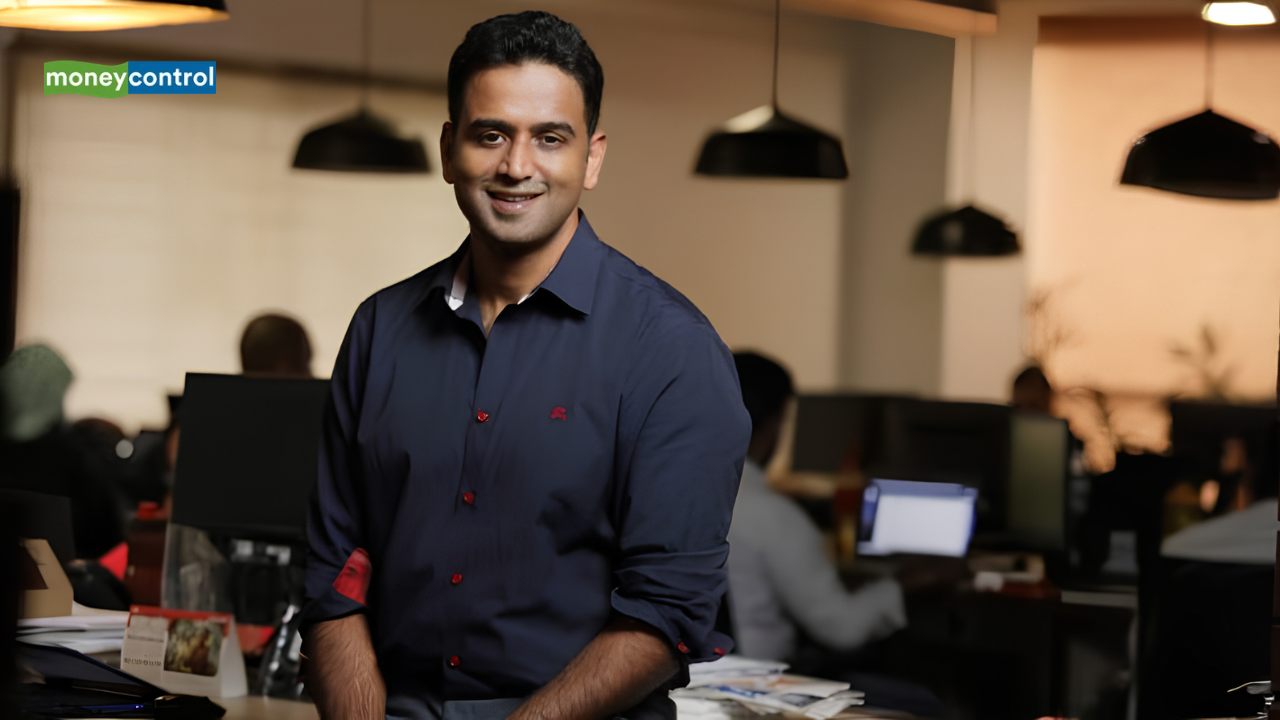
'From 2 crore investors to over 13 crore in 10 years': Zerodha's Nithin Kamath credits Jio for India's retail investing boom
As the Jio Platforms IPO opened for subscription on October 21, Zerodha founder Nithin Kamath reflected on how the telecom operator's expansion helped transform India's digital economy and contributed to the growth of online-first businesses, including his stockbroking platform.
As the Jio Platforms IPO opened for subscription on October 21, Zerodha founder Nithin Kamath reflected on how the telecom operator's expansion helped transform India's digital economy and contributed to the growth of online-first businesses, including his stockbroking platform. In a post on X, Kamath linked the growth of India's retail investor base to the expansion of affordable internet access, Aadhaar and the Unified Payments Interface (UPI).
He said Jio, along with Bharti Airtel, helped bring millions of Indians online, creating conditions that supported the expansion of digital businesses and capital markets. "In 2016, India had roughly 2 crore unique investors. Today, over 13 crore Indians invest in the markets, and Jio played a big part in that," Kamath wrote. His remarks come as investors begin bidding for Jio Platforms' initial public offering (IPO), bringing the company's role in India's digital transformation into focus alongside its plans to tap the capital markets.
Kamath said Zerodha's growth depended not only on its own business model but also on the wider digital infrastructure that made online services accessible to more people. "Zerodha wouldn't be what it is today without Aadhaar and UPI. But just as important was Jio, along with Airtel, bringing millions of Indians online with affordable data," he wrote. Affordable mobile data lowered a key barrier to accessing internet-based services, while digital identity and payments infrastructure helped simplify customer onboarding and transactions.
Together, these developments created opportunities for businesses that could reach customers through digital platforms rather than relying entirely on physical distribution networks. For online stockbrokers, wider internet access made it easier to serve customers beyond traditional financial centres. The shift also coincided with the expansion of digital payments, increased smartphone adoption and a surge in retail participation in equity markets following the COVID-19 pandemic.
Kamath argued that this combination of infrastructure was important to the expansion of India's capital markets after the pandemic. "Together, all of this made the huge expansion of Indian capital markets after COVID possible," he said, adding that many online-first businesses would be significantly smaller without this digital infrastructure. Kamath also looked back at the period when Jio was preparing to enter the telecom market, recalling an Economic Times list of 10 businessmen to watch in 2016.
"When Jio was getting ready to launch in 2015, I remember being petrified to find myself on this Economic Times list of 10 businessmen to watch in 2016. Mukesh Ambani was #1 and I was #6, mainly because we had just made delivery brokerage free," he wrote. Zerodha built its business around discount broking, including a zero-brokerage model for equity delivery trades. The broader shift towards digital investing helped such platforms reach a larger pool of customers, although their growth has also depended on pricing, technology, product offerings and investor participation.
Kamath stopped short of offering a view on whether investors should subscribe to the Jio Platforms IPO. Instead, he highlighted what he described as the relationship between digital infrastructure, business growth and capital formation. "I can't tell you whether to apply for the upcoming IPO. But both telcos have played a huge role in enabling an entire generation of Indian businesses like ours. And it's nice that the capital markets they helped grow can now help Jio raise money," he wrote.
Kamath concluded by highlighting the role of external infrastructure in business success. "From the outside, it's easy to miss how much of our success depends on infrastructure built by others," he said.