Explained: How India-UAE trade crossed $100 billion and what CEPA has actually changed
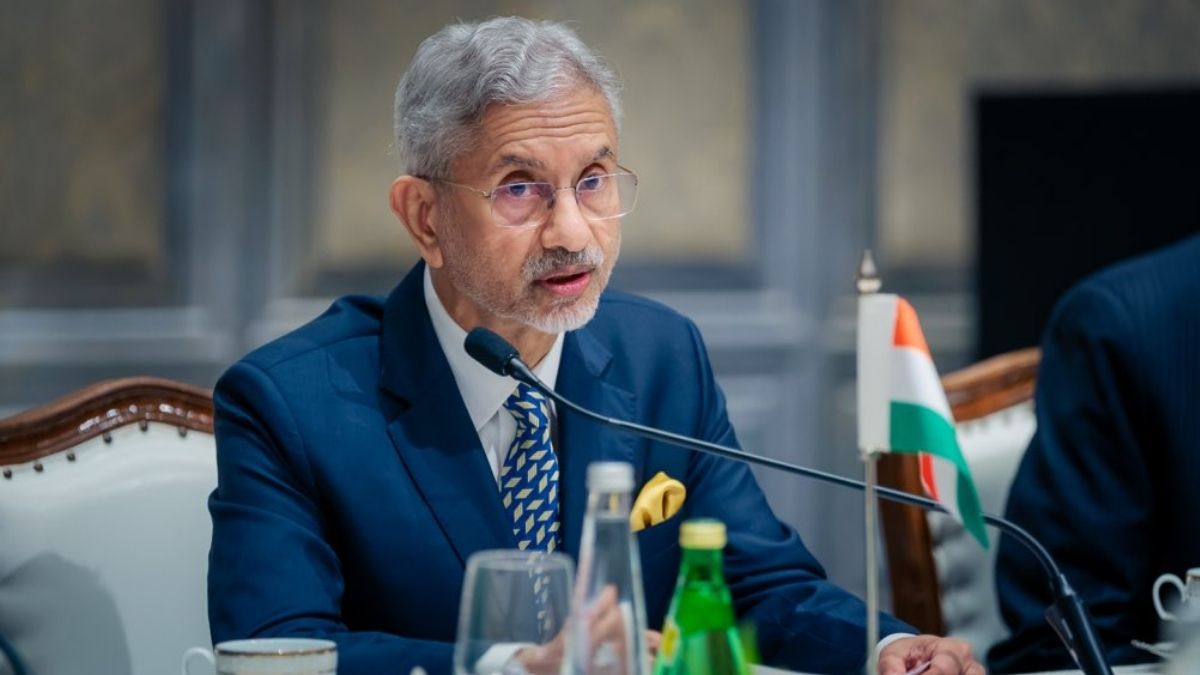
India-UAE bilateral trade has crossed $100 billion since the launch of CEPA, External Affairs Minister S Jaishankar said during talks with UAE Foreign Minister Sheikh Abdullah bin Zayed Al Nahyan in Mumbai.
India’s bilateral trade with the United Arab Emirates (UAE) has crossed $100 billion since the two countries signed the Comprehensive Economic Partnership Agreement (CEPA), External Affairs Minister S Jaishankar said on Tuesday. Jaishankar made the remarks during a meeting with UAE Deputy Prime Minister and Foreign Minister Sheikh Abdullah bin Zayed Al Nahyan in Mumbai. The UAE minister arrived in India on Monday night for a two-day official visit.
“After more than a decade of sustained engagement, the India-UAE relationship is today really living up to its promise as a comprehensive strategic partnership,” Jaishankar said. He said bilateral trade had crossed the $100 billion mark since CEPA was signed, while two-way investments continued to grow. “Despite global headwinds and regional challenges, our economic partnership continues to set new benchmarks,” Jaishankar said.
The talks also covered defence, energy, technology and the security situation in West Asia. Jaishankar said the situation in the Gulf remained a matter of “deep concern” and called for dialogue and diplomacy to promote peace. “We continue to support free, safe and unimpeded flow of trade, energy and fertiliser,” he said, while thanking the UAE leadership for looking after the Indian community in the country.
The visit follows Jaishankar’s October 14-16 trip to the UAE, during which he held discussions with Emirati leaders on bilateral relations and regional developments and participated in the Raisina Middle East Dialogue in Abu Dhabi. How CEPA helped India-UAE trade cross $100 billion? India and the UAE signed CEPA on February 18, 2022, and the agreement came into force on May 1 that year. It aims to reduce trade barriers, improve market access and create opportunities for businesses in both countries.
The UAE’s location, logistics infrastructure and role as a regional commercial hub make it an important market for Indian exporters seeking to reach West Asia and other markets. India, in turn, offers Emirati businesses a large consumer market and investment opportunities across sectors. 25 billion in the financial year 2025-26, compared with around $100.05 billion in 2024-25. The UAE remained India’s third-largest trading partner, while India was the UAE’s second-largest trading partner.
The figures show that bilateral trade remained above $100 billion for a second consecutive financial year. The two countries have set a target of increasing trade to $200 billion by 2032. CEPA is part of a broader economic relationship that also includes investment cooperation and local currency settlement arrangements. A bilateral investment treaty has provided another framework for strengthening investment ties.
The UAE is a significant source of investment for India, with Emirati sovereign wealth funds, financial institutions and companies investing in areas such as infrastructure, property, logistics and financial services. Indian companies also operate across trade, services and manufacturing in the UAE. Jaishankar said growing two-way investment show business confidence in both economies. Sustaining that growth will depend on whether companies can take advantage of market-access opportunities, predictable regulations and efficient trade procedures.
Why are defence, energy and West Asia central to the partnership? The relationship extends beyond trade and investment to areas that have implications for economic and regional security. Energy is a key part of the partnership. India relies heavily on imports to meet its oil and gas needs, while the UAE is a major energy producer. Secure supplies and reliable shipping routes are important for India’s fuel availability, industrial activity and transport costs.
Disruptions to shipping in the Gulf can affect the movement and cost of oil, gas, fertilisers and other goods. Jaishankar’s call for the safe and uninterrupted flow of trade and energy reflected these concerns. The two countries also want to expand cooperation in defence and technology. However, the statements cited from the Mumbai meeting did not announce any new defence or technology agreements.
Indian nationals live and work across sectors in the Emirates, maintaining close family and economic ties with India. Jaishankar thanked the UAE leadership for ensuring the community’s well-being. The latest meeting provides an opportunity for both governments to review economic cooperation and discuss regional developments amid global uncertainty. Trade above $100 billion demonstrates the scale of the economic relationship, while the target of $200 billion by 2032 sets out the next ambition. Achieving it will require sustained trade and investment growth, alongside cooperation on regulations, energy security and regional stability.