Daily Voice: Ambit's Nitin Bhasin sees structural alpha opportunities in two sectors, cautious on SMIDs
Looking ahead, Ambit's Nitin Bhasin identified potential disruptions to economic activity caused by El Niño as a key risk. With inflation remaining elevated, fiscal support is likely to play greater role, as RBI's scope for monetary easing remains constrained.
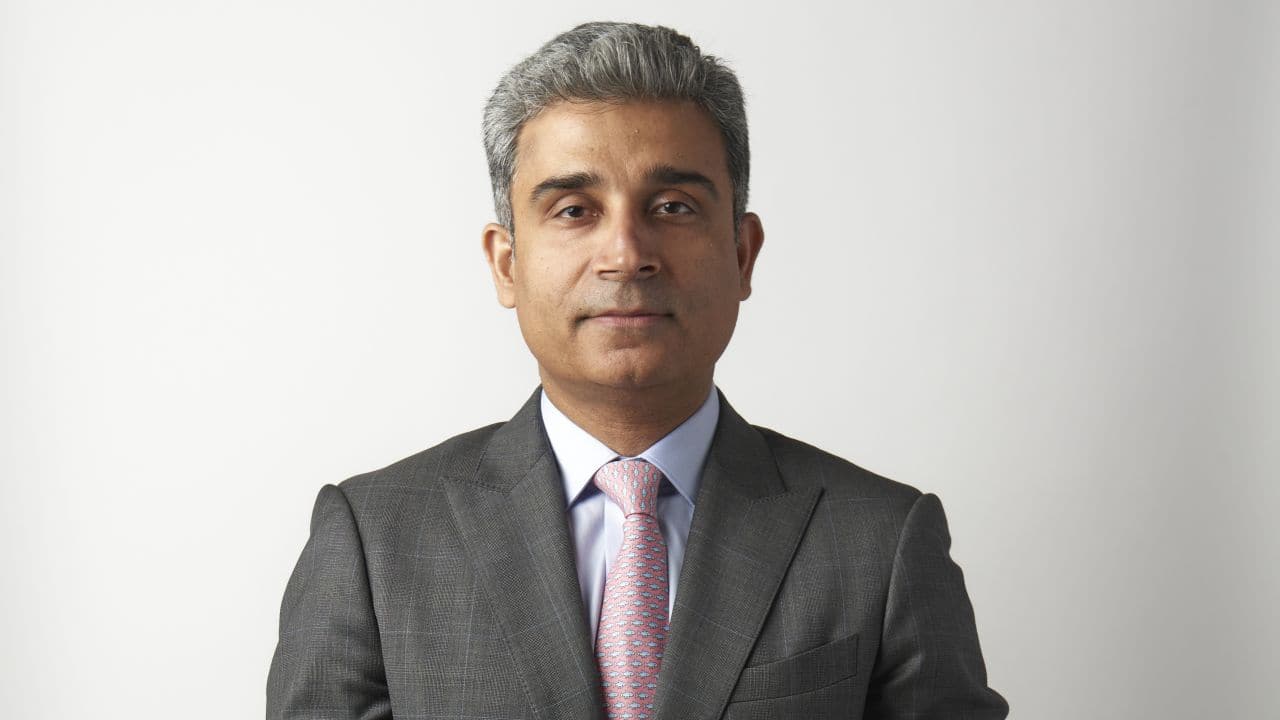
Nitin Bhasin, Head of Institutional Equities at Ambit, sees limited downside for the Nifty 50, given that valuations have moderated to 20 times trailing 12-month (TTM) earnings. He remains cautious on small- and mid-cap stocks, where elevated valuations and the potential for growth moderation amid input-cost inflation leave little margin for error. Once global uncertainties subside, Bhasin believes the defence and manufacturing sectors offer structural opportunities to generate alpha.
He also sees a potential mean-reversion opportunity in banking stocks, given their recent underperformance and attractive valuations. Looking ahead, Bhasin identified potential disruptions to economic activity caused by El Niño as a key risk. With inflation remaining elevated, fiscal support is likely to play a greater role, as the Reserve Bank of India's (RBI) scope for monetary easing remains constrained, he said in an interview with Moneycontrol.
Do you believe the market is nearing an interim bottom, with the next 10 percent move more likely to be on the upside? Nifty currently trades around 5 percent below its 200DMA; levels of 10 percent below the 200DMA (21,500-22,000) have historically acted as strong support for Nifty and we expect this to hold. West Asia volatility, AI uncertainty, rising rates and growth concerns will continue to weigh on the market, although domestic flows will support.
As a result, we see limited downside in Nifty, given that valuations have moderated (20x TTM P/E). We remain cautious on SMIDs (small and midcaps), where elevated valuations and potential growth moderation amid input-cost inflation leave little margin for error. Which sectors, themes, or investment opportunities would you bet on to generate alpha for portfolios once global uncertainties subside? Once global uncertainties subside, defence and manufacturing offer structural opportunities to generate alpha, while banks present a potential mean-reversion opportunity given their recent underperformance and attractive valuations.
Geopolitical conflicts are accelerating defence spending globally, while elevated government capex and indigenization provide sustained domestic tailwinds. The manufacturing outlook is further supported by elevated industrial activity and capacity utilization, alongside accelerating industrial credit growth. Banks also warrant attention. While they remain a key earnings-growth driver, the BFSI sector trades at a 70 percent discount to the ex-BFSI universe on a trailing P/E basis.
Within the NSE500 universe, banks account for 23 percent of aggregate profits but just 13 percent of market capitalization. This divergence, alongside reasonable valuations and recent underperformance, creates potential for mean reversion as global risk appetite improves. In light of AI-driven disruption, do you think the key question is whether the balance of payments (BoP) deficit is cyclical or structural in nature?
India’s recent BoP weakness reflects a mix of cyclical & structural factors. Cyclically, the West Asia conflict has raised import costs for key commodities such as crude oil and fertilizers while triggering nearly $35 billion in FPI outflows. While AI may have structural implications for labour markets, India’s software services exports have continued to gain share in GDP over the past three years, suggesting limited disruption to external sector performance so far.
The more pressing challenge is the sustained slowdown in FDI inflows, which have fallen from 1.3 percent of GDP during FY19-23 to just 0.2 percent of GDP since then. If external risks persist, do you expect the government to announce a broader package of measures to support economic activity and earnings growth, rather than relying primarily on monetary policy? Policymakers have already deployed targeted fiscal measures to cushion the economy from external shocks.
Despite elevated crude prices, the government implemented a Rs 10 per litre excise duty cut on petrol and diesel, while diversifying fertilizer and natural gas import sources to limit the pass-through to households. Going forward, the key risk lies in potential disruptions to economic activity from El Niño. Drought-affected states such as Maharashtra have already announced support measures for farmers, and more such interventions may follow.
With inflation remaining elevated, fiscal support is likely to play a larger role, as the RBI’s scope for monetary easing remains constrained. Do you expect the RBI to introduce further measures to address emerging macroeconomic concerns? As a central bank, the RBI’s mandate is to balance growth with price stability. With El Niño risks and geopolitical disruptions keeping inflationary pressures elevated, restoring price stability has become the immediate priority.
As highlighted by the Governor, policy tightening is likely to remain calibrated to minimise the impact on consumption and investment. While the RBI may have less room to aggressively defend the currency against speculative pressures, we expect it to remain proactive in managing liquidity. Are risks mounting for emerging markets such as India amid a strengthening US Dollar Index and rising US bond yields?
Globally, bond markets are increasingly pricing in higher inflation and penalizing both advanced and emerging economies for fiscal slippage. While India’s relatively low external debt burden reduces the risk of capital flight, the narrowing India-US yield differential makes Indian assets less attractive to foreign investors, particularly amid rupee depreciation. Moreover, a steeper US rate-hike cycle could raise domestic borrowing costs, potentially dampening the nascent recovery in private capex and weighing on household consumption through higher financing costs.