The rapid growth of AI drives soaring electricity demand, posing infrastructure challenges in India. Coordinated power investments are crucial for data centres, industrial growth, and a competitive economy.
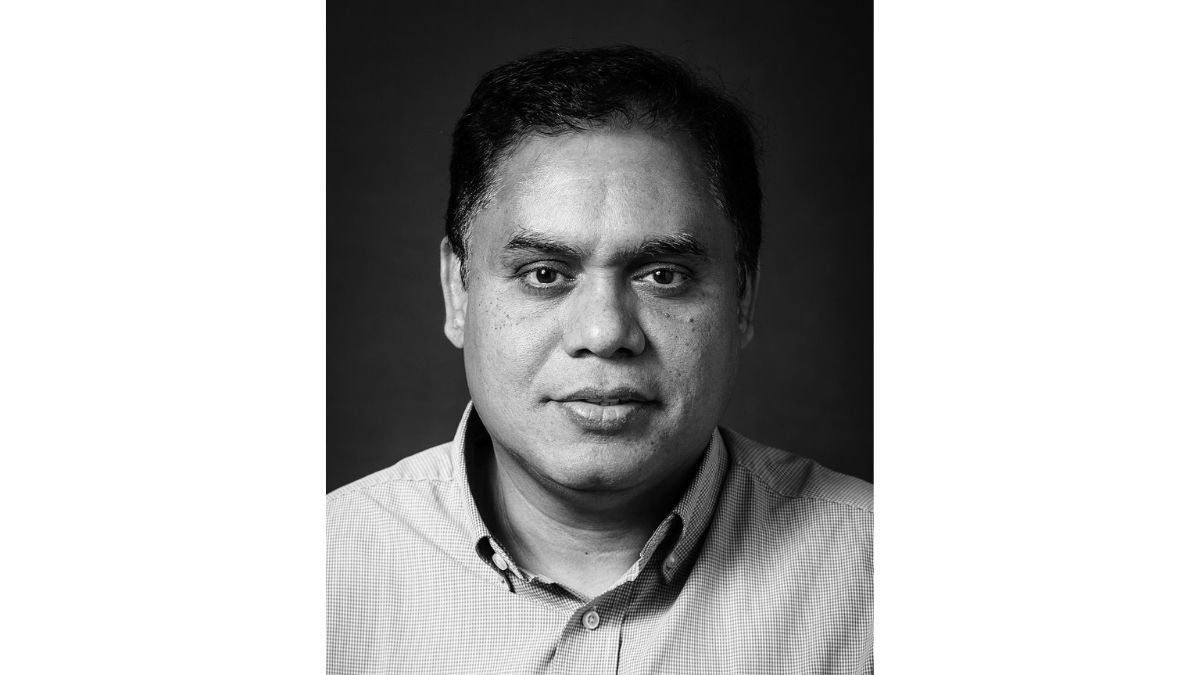
By Jeyamani Doss The rapid adoption of AI is creating a new infrastructure challenge. Computing capacity is expanding rapidly, while power networks must accommodate larger and more concentrated loads. At the same time, those networks are supporting industrial growth, electrification and the integration of renewable energy. Data centres offer the clearest example. Global electricity consumption from data centres is expected to more than double from around 415 TWh in 2024 to 945 TWh by 2030.
In India, the ministry of power estimates that AI data centres could add up to 26.3 GW to electricity demand by 2031-32, increasing peak demand by 33%. AI workloads can create high power densities and rapid changes in demand. A data centre can be built faster than the transmission infrastructure required to serve it. As a result, grid capacity, interconnection timelines and access to reliable power are becoming key to business considerations.
For data centre developers, land and digital connectivity are no longer enough. Grid headroom, transmission access, cooling and water availability and the time required to secure a reliable connection can determine how quickly a project moves from investment decision to operations. One response is to develop power infrastructure alongside the computing facility. A combination of grid supply, onsite generation, storage and microgrid controls can provide flexibility and resilience while grid capacity is being developed.
The implications extend beyond data centres. Manufacturers are using AI for predictive maintenance, quality control, process optimisation and robotics. Logistics companies are applying it to routing, warehouse automation and fleet management. As these applications move from pilots to production, their business value will increasingly depend on reliable physical infrastructure. This gives the power sector a larger role in digital and industrial growth.
For India, this is closely linked to the ambitions of Make in India and Viksit Bharat. The rise of AI is not only creating demand for digital infrastructure, but also for the physical infrastructure that supports industrialisation. As manufacturing, data centres and logistics operations become more data-intensive, their growth will increasingly depend on the ability to secure dependable electricity and scale infrastructure quickly.
This creates an opportunity for India to strengthen both its digital and industrial competitiveness at the same time. Meeting this demand will require investment across generation, storage, transmission, distribution and grid management. It will also require industry, utilities and government to plan together. Policy is already helping build this investment architecture. The National Green Hydrogen Mission, for example, targets 5 million tonnes of annual production by 2030, supported by about 125 GW of associated renewable capacity and more than`8 lakh crore in expected investment.
Similar coordination will be needed as AI and data centres create new concentrations of electricity demand. For policymakers, this means anticipating where large loads are expected to emerge, improving projection on grid capacity and enabling timely connections. For businesses, it means sharing demand projections earlier, working with utilities and designing facilities around the realities of the power system.
AI can also become part of the solution, helping utilities forecast demand and optimise assets. It will depend on whether the physical infrastructure supporting it can keep pace. For India, the opportunity is larger still: to use the AI-led investment cycle to strengthen the power and industrial infrastructure needed for a more productive, competitive economy. The writer is CTO-India, GE Vernova. Disclaimer: The views expressed are the author's own and do not reflect the official policy or position of Financial Express.