Anthropic IPO: Inside pay packages of 3 Indian-origin executives
See how Anthropic’s IPO prospectus details pay for Indian-origin CFO Krishna Rao, board member Vas Narasimhan and trustee Neil Shah.
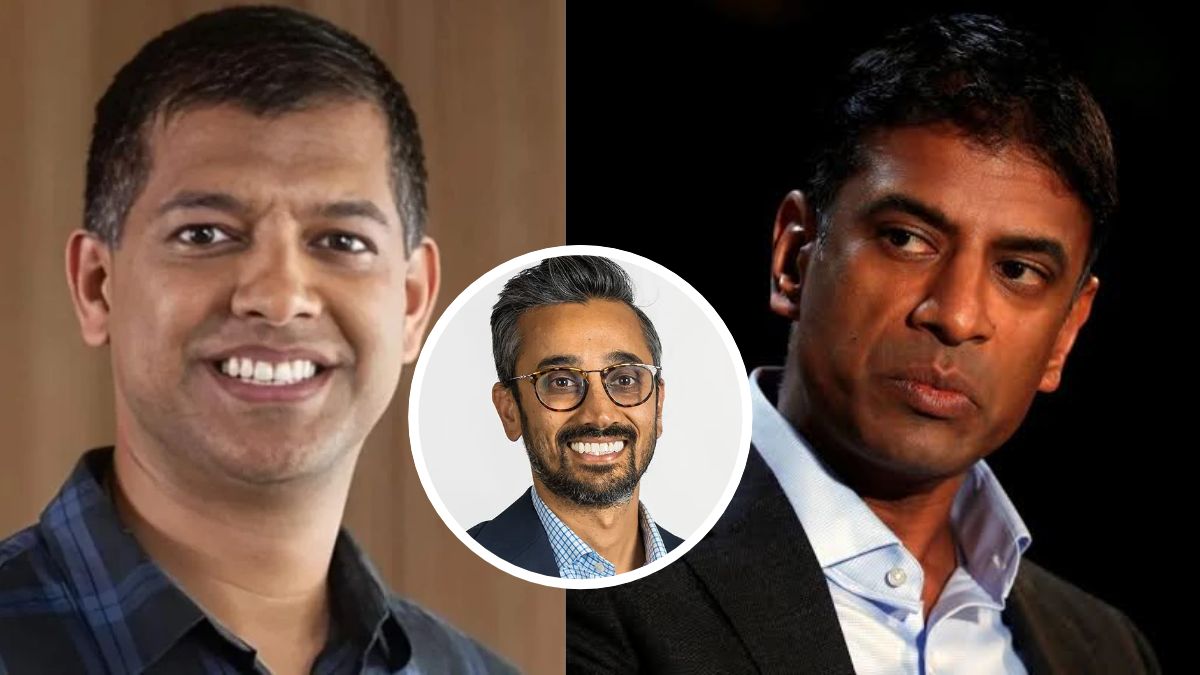
Anthropic is set to go public. In the much awaited prospectus, we can see three Indian-origin names, each with a different role in the artificial intelligence company. Krishna Rao is its chief financial officer, Vas Narasimhan sits on its board, and Neil “Buddy” Shah is in its Long-Term Benefit Trust. Their roles also come with different compensation arrangements. Rao receives a salary and stock-based incentives as an executive.
Narasimhan is covered by the company’s director pay policy. Shah receives a fixed annual fee for his work as a trustee and chair. Anthropic filed its prospectus with the US Securities and Exchange Commission on October 26, 2026, ahead of its planned Nasdaq listing under the symbol “ANT”. The filing gives us a look at how the company pays the people who manage its finances, oversee its board and help protect its mission.
Before joining the company, he held senior roles at Fanatics Commerce and healthcare technology firm Cedar. He also spent six years at Airbnb, where he worked on corporate development and financial planning. Rao received total compensation of $720,250 in 2025. This included $706,250 in salary and $14,000 in retirement contributions. His salary was $700,000 for most of the year before rising to $850,000 on December 16.
He received no new stock or option awards in 2025. The filing moves the startup towards a listing that could help establish how public markets value the companies building the world’s most advanced AI models. (Image: Reuters) Much of his potential wealth, however, is tied to stock options granted when he joined Anthropic in 2024. The grant covered 14 million options at an exercise price of $1.30 per share.
At the end of 2025, 5.75 million options were exercisable and about 8.17 million remained unvested. Rao exercised 76,980 options during the year and realised $385,285. His pay increased in 2026. His annual salary rose to $1.25 million from February 1. On February 20, Anthropic granted him another 1,122,840 stock options at $17.66 per share and 1,862,140 restricted stock units. The stock units are subject to continued employment and a condition linked to the IPO registration statement taking effect.
The company also began providing him with certain security services. Rao’s contract includes severance benefits if he is dismissed without cause or leaves for good reason. These include 12 months of salary, health coverage payments and additional equity vesting. A separate provision allows his unvested options to accelerate under specified circumstances involving a change of control. The prospectus values that accelerated equity at about $134 million as of December 31, 2025.
This is a calculated value, not money already paid to him. He is also chief executive of Novartis, the Swiss pharmaceutical company, a role he has held since 2018. Before becoming chief executive, he led drug development and served as the company’s chief medical officer. Narasimhan holds a medical degree and a public policy degree from Harvard, as well as a biology degree from the University of Chicago.
Anthropic says his experience leading a large company in a highly regulated industry is relevant to its board. The prospectus shows no director compensation for Narasimhan in 2025 because he joined the board in 2026. At the time, Anthropic did not have a formal compensation policy for non-employee directors. However, this changed in September 2026, when the company adopted a new policy. It will take effect the day before the IPO registration statement becomes effective.
Under the policy, non-employee directors will receive $100,000 a year in cash and annual stock awards worth $325,000, starting with the 2027 annual meeting. Anthropic calls for coordinated slowdown as AI races toward new frontier Narasimhan also chairs the compensation committee, which oversees executive pay. The policy sets an additional annual fee of $30,000 for committee chairs. If the board fee and committee chair fee both apply, his annual cash compensation would be $130,000, alongside the $325,000 stock award.
The combined stated value would be $455,000. The stock award is not cash in hand. Its eventual value depends on the shares and the terms of the award. The prospectus does not state his actual compensation for 2026 under the new policy. Neil “Buddy” Shah: $425,000 a year as trust chair Neil “Buddy” Shah has served as a trustee and chair of Anthropic’s Long-Term Benefit Trust since June 2023. He is chief executive of the Clinton Health Access Initiative, a global health organisation, and previously worked as managing director of GiveWell.
He also co-founded IDinsight. Shah will also be an initial manager of the Anthropic Public Benefit Fund. His position at the trust is different from a board seat. The trust has a role in protecting Anthropic’s long-term mission and elects most of the company’s board. The prospectus says each trustee receives $400,000 a year in cash. Shah receives another $25,000 for serving as chair, taking his annual compensation for the trust role to $425,000.
The trust’s rules also put limits on trustees’ financial interests. Their pay cannot depend on Anthropic’s profits or on actions taken by the company. Trustees are barred from buying or holding Anthropic shares. Anthropic paid $8.4 million to the trust in the first nine months of 2026. The amount funds the trust and is separate from Shah’s personal compensation. Three different ways of being paid The prospectus shows how differently Anthropic pays these three Indian-origin figures.
Rao’s pay is tied to his work as chief financial officer. His salary is supplemented by stock options and restricted stock units, which could become valuable depending on the company’s performance and the terms of the awards. Narasimhan’s compensation is for board work. It combines a cash fee with stock awards, along with an extra payment for chairing the compensation committee. Shah receives a fixed cash payment for his role in the Long-Term Benefit Trust.
He does not receive stock through this role, and the trust’s rules prevent trustees from holding Anthropic shares. Disclaimer: This article provides factual analysis only and is not, and should not be construed as, an offer, solicitation, or recommendation to buy or sell securities. Investors must conduct their own independent due diligence and seek advice from a registered financial advisor in the respective jurisdiction.