8 months of ‘Little Epic Fury’: The cost of Iran war for US, Iran and India
See how eight months of US-Iran war are raising military costs, oil prices and inflation risks for the US, Iran and India.
US President Donald Trump has threatened another round of military strikes against Iran, calling it a “little Epic Fury”, as the conflict enters its eighth month. The warning comes as the war continues to drive up energy prices, strain military resources and create economic uncertainty across the world. “We may do another little Epic Fury, or they'll agree. If they're smart, they'll just say, let's get down to business,” Trump said during a Republican campaign rally in Florida.
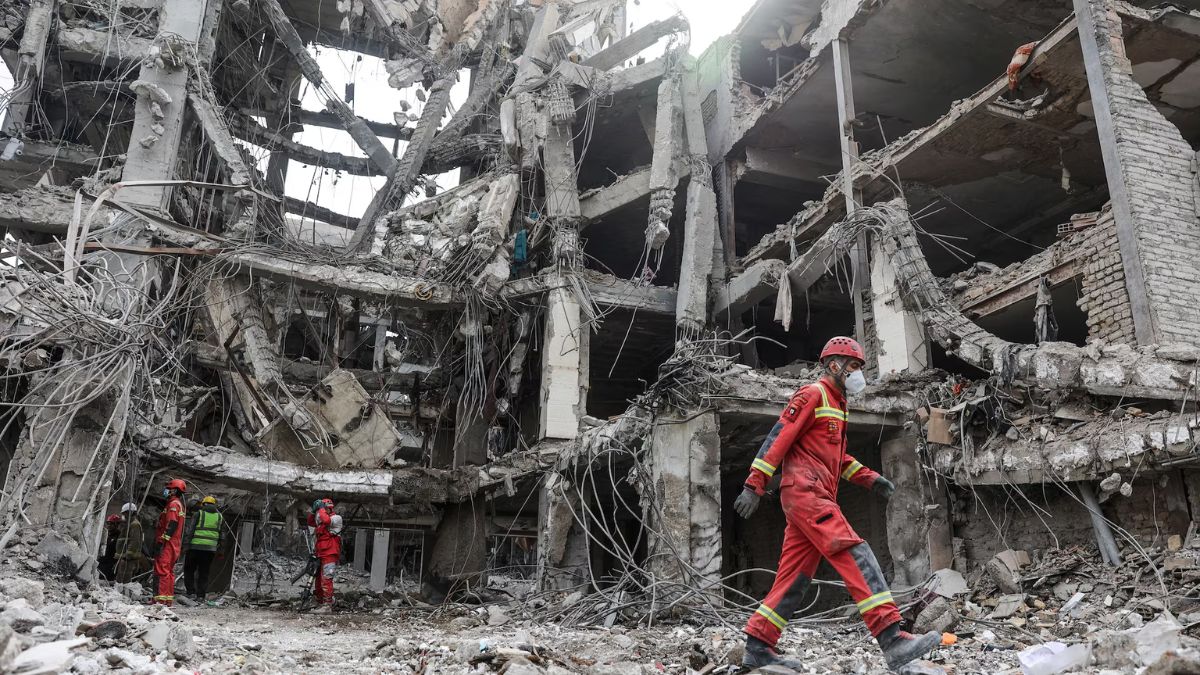
Operation Epic Fury, the joint military campaign launched by the US and Israel against Iran in February, has grown into a conflict with consequences far beyond the battlefield. Trump has claimed that the earlier Operation Midnight Hammer destroyed Iran's nuclear enrichment capabilities and weakened its military and economy. His administration has also maintained that preventing Iran from acquiring nuclear weapons remains the primary objective of the military campaign.
The financial consequences, however, are becoming increasingly difficult to contain. The United States is facing mounting military expenditure and higher costs for households. Iran is dealing with military pressure and disruptions to its fragile economy, while India is confronting higher energy import costs, inflationary pressures and risks to its currency and industrial activity. The figure does not mean that all 81 aircraft were destroyed.
Some aircraft were damaged and later returned to active service (Reuters) India: Higher oil bills, inflation and pressure on the rupee India's economic exposure to the Iran war is closely linked to its dependence on imported energy. According to a paper by Vinod Rai published by the National University of Singapore on April 23, 2026, the conflict and the blockade of the Strait of Hormuz created a significant economic challenge for India.
The paper identified energy security as the principal channel through which the disruption could affect the wider economy. The Strait of Hormuz is a critical route for crude oil and other energy supplies from the Gulf. Nearly one-fifth of global petroleum consumption passes through the waterway, making any disruption a source of uncertainty for countries dependent on imported energy. India is particularly vulnerable because it is one of the world's largest crude oil consumers and relies heavily on imports to meet domestic demand.
Rai's paper stated that nearly 85% of India's crude oil requirements were met through imports. It also noted that India imported nearly 91% of its crude oil requirements in February 2026, with about half coming from West Asia. US President Donald Trump (Picture credit: AP) A higher oil bill puts pressure on the economy When global crude oil prices rise, India must spend more to import the same volume of energy.
The additional expenditure can widen the trade deficit and put pressure on the current account, which records the country's transactions with the rest of the world. Rai's paper cited a rise in crude oil prices from an average of around $75 to $80 per barrel to more than $95 to $100 per barrel during the period under consideration in April 2026. The paper used a widely applied policy estimate that every $10 increase in the price of a barrel of crude oil adds approximately $13 billion to $15 billion to India's annual import bill.
Based on that estimate, a $20 to $25 increase could add approximately $26 billion to $40 billion to the annual bill if the higher prices were sustained and other factors remained unchanged. These are estimates based on the price increase and import assumptions discussed in the paper, rather than a final measurement of the war's realised cost to India. A higher import bill can increase demand for foreign currency as Indian buyers pay for energy supplies.
This can put pressure on the rupee and complicate the Reserve Bank of India's efforts to manage currency volatility. Rai's paper also estimated that India's foreign exchange reserves had declined by $15 billion to $20 billion over a short period during the crisis. The paper attributed the movement to higher import payments and interventions to stabilise the currency. Iran and its allies face ‘draconian sanctions’ Petrol, diesel and food become more expensive Higher crude oil prices can feed into domestic inflation through several channels.
Fuel is an important input for road transport, aviation, agriculture and manufacturing. When energy costs increase, businesses face higher operating expenses. The final impact on consumers depends on domestic fuel prices, government taxation, subsidies, the exchange rate and the extent to which businesses pass on higher costs. Transport companies may charge more to move goods, while manufacturers may face higher costs for fuel, packaging and other petroleum-linked materials.
Farmers can also be affected by higher fuel and fertiliser prices. Natural gas prices matter as well because gas is used in fertiliser production and power generation. Liquefied petroleum gas, or LPG, is particularly important for Indian households and several industrial activities. Manufacturing and employment face disruption The economic consequences are not confined to fuel bills. Energy shortages and higher logistics costs can also disrupt manufacturing, particularly in industries that rely heavily on gas and other petroleum products.
Rai's paper cited examples from Coimbatore and Tiruppur, where declining global orders, energy shortages and rising logistics costs affected industrial activity. The paper stated that around 30% of micro, small and medium enterprise units in Coimbatore had temporarily shut down because of LPG shortages, putting approximately 400,000 jobs at risk. It also cited higher industrial LPG prices in some cases, rising from ₹1,800 to ₹4,500 per cylinder.
These figures are those reported in the paper and should be understood within its account of the crisis. The paper also described reduced production in Firozabad's glass industry and disruptions affecting pharmaceutical production units in Baddi, Himachal Pradesh, and leather tanneries in Kanpur and Chennai. Such examples demonstrate how an energy supply disruption can move through the economy. A shortage of an essential industrial input can reduce production, delay orders and put employment at risk.
Higher costs can also make Indian exporters less competitive in international markets. 3%: IMF warns of sharp downturn for Pakistan, MENA Aviation, power and shipping face higher costs India's exposure extends to sectors that depend on fuel and international transport. Airlines face higher operating costs when aviation fuel becomes more expensive. Gas-based power plants can face pressure from fluctuations in liquefied natural gas prices, while industries dependent on petrochemicals and other imported raw materials may encounter higher production expenses.
Shipping and insurance costs can rise when vessels travel through areas affected by military operations. Higher premiums and freight charges can make imports more expensive and reduce the competitiveness of Indian exports. The disruption can also affect fertilisers and other industrial inputs transported through regional maritime routes. These pressures are interconnected. Higher energy costs can increase manufacturing expenses, while shipping disruptions can delay the arrival of raw materials.
Businesses may then face both higher prices and reduced production capacity. Remittances add another layer of risk India's economic links with the Gulf extend beyond oil imports. Millions of Indian workers have connections to the region, and remittances from overseas employment are an important source of foreign exchange for the country. The actual impact would depend on how the conflict affects employment, business activity and public finances across Gulf economies.
A sustained disruption could affect Indian households that depend on income sent home by family members working abroad. The conflict's economic impact is particularly significant because of the Strait of Hormuz, a narrow waterway through which nearly one-fifth of the world's petroleum supply passes. Restrictions on shipping through the strait have disrupted energy flows and increased uncertainty in global markets.
With Washington warning of further military action and Iran threatening to increase its response, the cost of the war could continue to rise even if the fighting does not increase immediately. United States: A massively growing bill for taxpayers and households The direct cost of the war is already substantial for the United States. According to an Associated Press report citing a US Central Command update provided to lawmakers, the military's expenditure on the conflict reached $43.6 billion as of September 3, 2026.
The figure was higher than the $38 billion estimated by the Congressional Budget Office through August 1. Weapons and munitions accounted for more than half of the expenditure, reaching $28.1 billion, according to the figures cited in the report. Ongoing combat and operational expenses were estimated at approximately $3 billion a month, although the actual amount depends on the intensity of military operations.
The estimates may not capture the full financial burden. Democratic senators and oversight groups have questioned the scope of the official figures, pointing to costs associated with damage to US and allied military installations that have not been fully disclosed. Trump has also escalated his rhetoric over the Strait of Hormuz (Reuters/AP) An October 2026 analysis by the Center for American Progress cited a huge range of estimates, with some suggesting that the cost of war could have exceeded $100 billion.
The analysis also noted that the Pentagon had not provided sufficient information for a precise, independent accounting of the war's total cost. The estimates should be read in the context of their respective dates and methodologies. The official figures, independent estimates and broader projections do not necessarily cover the same categories of expenditure. The cost extends beyond missiles and military operations Military expenditure does not end with the cost of launching an attack.
The United States must also repair damaged equipment, replenish depleted weapons stockpiles, maintain forces deployed overseas and provide medical care to injured personnel. In an April 2026 interview with Harvard Kennedy School, Linda Bilmes, a leading expert on public finance and a senior lecturer at the Harvard Kennedy School, estimated that the conflict was costing the United States approximately $2 billion a day in short-term expenditure at the time.
She cautioned that the initial costs represented only a fraction of the eventual financial burden. Bilmes said the Pentagon's initial estimate of $11.3 billion for the first three to five days understated the expenditure, which she calculated to be at least $16 billion. The difference partly shows the way military costs are recorded. The historical value of weapons already in the inventory may be lower than the amount required to replace them.
For example, Bilmes estimated that Tomahawk missiles valued at around $2 million each in existing inventories could cost $3 million to $3.5 million to replace. Patriot missiles previously valued at $1 million to $2 million could cost $4 million to $5 million for newer versions. The United States is facing mounting military expenditure and higher costs for households (Reuters) The financial burden also includes repairing military installations, extending deployments and expanding weapons production.
These costs can continue for years after active combat ends. Bilmes warned that the overall cost could reach $1 trillion when medium-term expenses, veterans' care, reconstruction and the longer-term consequences for the defence budget are included. This is a projection, rather than a confirmed expenditure figure. American households pay through higher fuel and food prices The impact of the war is also being felt far from military bases.
Higher crude oil prices have increased the cost of petrol, diesel and goods transported by road, adding to the financial pressure on American households. According to the Center for American Progress, citing Moody's Analytics chief economist Mark Zandi, the war had cost the average US household almost $2,000 by early October 2026 when accounting for military spending, higher interest rates and rising prices.
The analysis said the national average price of regular petrol had reached $4.27 per gallon on October 22, compared with $2.98 on February 27, before the war began. Diesel prices were also substantially higher. The additional expenditure is not limited to filling vehicles. Higher diesel prices increase the cost of transporting food, consumer goods and industrial materials. Farmers also face higher costs for fuel and fertilisers, which can eventually feed into retail food prices.
The Center for American Progress reported that the US Department of Agriculture had raised its forecast for grocery price increases in 2026 from 1.7% to 2.4%. The report also noted that all eight major fertilisers used by American farmers cost more than they had a year earlier. Heating costs and borrowing expenses have added to the pressure. Higher long-term Treasury yields can influence mortgage and credit card rates, making borrowing more expensive for households and businesses.
The result is a war whose financial impact reaches people who have no direct involvement in military operations. The opportunity cost of war spending The economic debate also concerns how the government allocates public money. Every additional dollar spent on military operations, replacing weapons or repairing infrastructure is a dollar that cannot be used for other public priorities without increasing borrowing or raising revenue.
Bilmes has argued that the longer-term costs could include a permanent increase in the defence budget, higher interest payments on government debt and lifetime medical and disability benefits for veterans. The Center for American Progress has separately warned that the rapid consumption of precision weapons could weaken military readiness elsewhere. The United States has also redirected military assets towards the conflict, raising questions about its ability to meet other security commitments.
The financial consequences therefore extend beyond the amount recorded in the Pentagon's accounts. The war also raises questions about public debt, domestic affordability and the allocation of national resources. Iran: The cost of military damage, economic disruption and prolonged conflict The financial consequences of the war must be considered alongside the damage to its military capabilities, infrastructure and economy for Iran.
Trump has claimed that the United States has weakened Iran militarily and financially through Operation Midnight Hammer and subsequent military action. The joint US-Israeli campaign also resulted in the death of Iran's former Supreme Leader Ayatollah Ali Khamenei and members of his family. However, the supplied material does not provide a verified, comprehensive estimate of the total economic cost incurred by Iran.
The damage to its military infrastructure, the cost of replacing equipment, the impact on production and the loss of economic activity would need to be assessed separately to arrive at a reliable figure. The absence of a consolidated estimate does not mean the economic burden is limited. A prolonged conflict can divert public resources towards defence, reconstruction and emergency requirements while disrupting normal economic activity.
The consequences can become more severe when military operations affect infrastructure that supports transport, energy, communications and trade. Iran has also warned that any renewed attack by the United States and Israel could prompt a major response. According to Reuters, an Iranian official said Tehran had drawn up plans to target undersea communications cables in the Gulf if it were attacked again.
The official also threatened to prevent repairs, potentially prolonging disruptions to internet connectivity and other communications services. “If Iran is attacked, there will be no more red lines.from undersea cables to military bases, including covert ones. US should not play with fire,” the official told Reuters. Any such disruption could have economic consequences beyond the immediate conflict zone.
Undersea cables carry large volumes of international internet and data traffic, supporting financial transactions, business communications and digital services. Damage to this infrastructure could increase the cost of connectivity, disrupt commercial operations and create uncertainty for businesses dependent on reliable international communications. The scale of the economic impact would depend on the extent and duration of any disruption.
Impact on The Strait of Hormuz The Strait of Hormuz is central to the economic stakes of the conflict. Iran's ability to disrupt shipping through the waterway gives the conflict implications for energy markets well beyond the region. The Center for American Progress reported in October 2026 that Iran continued to strike ships in the strait. The report also described renewed fighting involving Houthi forces in Yemen and Saudi Arabia, creating the possibility of further disruption to shipping routes.
Disruptions to maritime traffic can increase uncertainty for energy exporters, shipping companies and businesses operating in the Gulf can massively impact Iran. The extent of the direct financial damage to Iran would depend on the effects on its own trade, infrastructure, revenue and access to international markets. The conflict also raises the possibility of additional military strikes. Trump has said he sees the war ending “one way or another, through agreement or otherwise”, but he has not provided a timetable.
Iran's response to any renewed attack could determine whether the economic damage remains concentrated in the immediate conflict zone or spreads further across the region. Reconstruction and the long-term cost The cost of war does not end when military operations stop. Damaged infrastructure must be repaired, equipment replaced and economic activity restored. For Iran, these requirements would compete with other demands on public resources.
The country could also face prolonged uncertainty affecting investment, trade and the operation of businesses. A reliable estimate of Iran's total financial losses would need to account for direct military expenditure, physical damage, lost production, disrupted trade and the future cost of reconstruction. The available material does not quantify these components sufficiently to establish an overall figure.
The economic consequences for Iran therefore remain difficult to measure precisely, but the risk of a prolonged recovery is an important part of the war's financial burden.