RBI’s measures on the rupee have bought government time. Reforms are the long-term fix- Moneycontrol.com
In the week after the central bank rolled out measures to curb speculation, the currency has stabilised. That’s the best RBI can do. Measures to attract sticky foreign capital are in the government’s domain
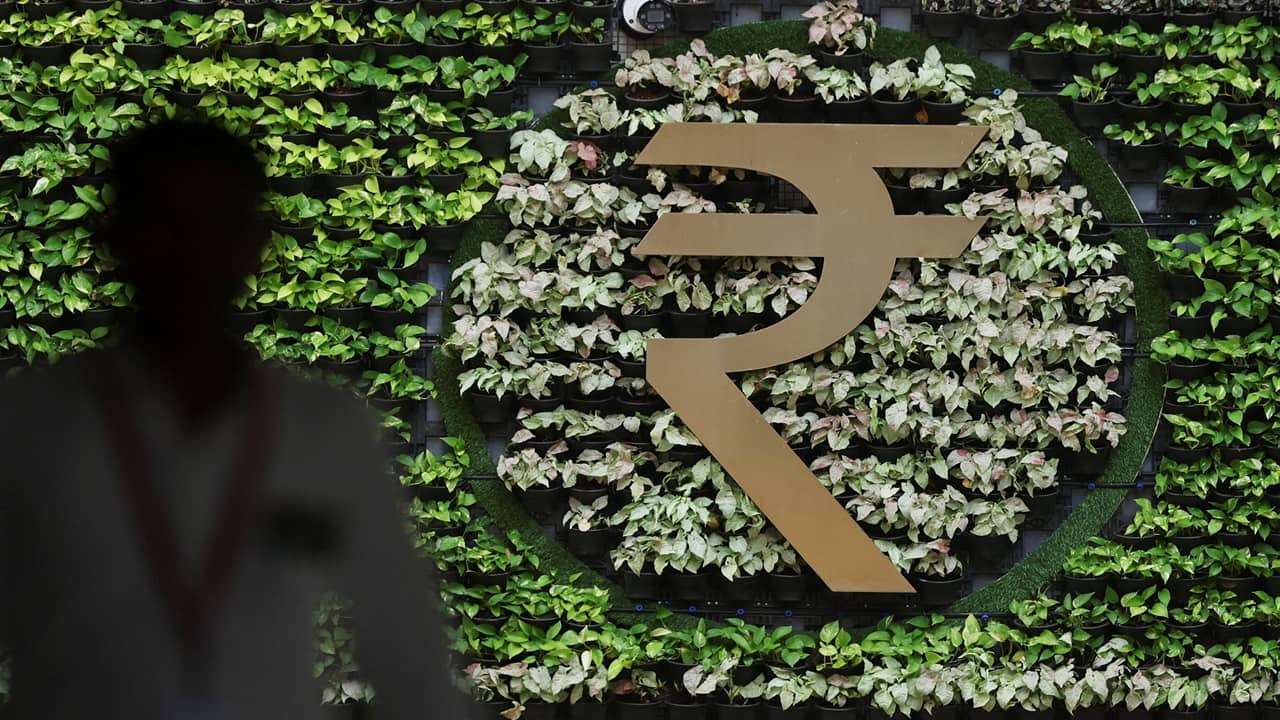
Having just come off a policy rate hike to fight domestic inflation, the RBI has turned its attention to the external sector. The series of recent measures took markets by surprise as they were both sudden and severe.
Drastically slashing the threshold for derivative transactions without proven underlying exposure, requiring banks to set aside 20% cash against certain FX (foreign exchange) contracts, banning rebooking of cancelled rupee-linked foreign exchange derivative contracts were aimed at speculators.
As a supportive measure, RBI also opened a special window to supply dollars directly to state oil refiners (IOCL, BPCL, HPCL) to avoid impacting FX markets.
The impact has been visible this week
These seemed harsh as they also impact genuine importers who needed to hedge. But the effects were almost immediate with rupee rebounding to hover around Rs 94-95 to a dollar. This also seemed to validate the hypothesis that speculative activity was behind the rupee’s volatility. But that is not entirely true as the pressures had been building up over months.
The rupee looked to breach Rs 97, crude had risen to $116 and US treasury yields at 5.35% were sucking foreign capital out. These, along with RBI intervention and other factors, had led to FX reserves falling steeply by $50 billion in just four weeks.
Speculators had been targeting these weaknesses which is what the RBI measures sought to address. But there is also a school of thought that feels that a larger and an earlier rate hike (as early as in August) by the RBI may have stemmed capital outflows or dampened speculation.
Offshore markets set the tone
Speculative activity is not so evident in domestic markets because much of the trading is offshore. As per a BIS Triennial Survey, daily INR turnover was about $185 billion in 2025 , but only about 23% of global INR derivative volumes were through domestic interbank markets, with a huge 77% entirely offshore, mainly UK and Singapore markets.
Non-Deliverable Forwards (NDFs) were the predominant mode. Even earlier in the year RBI had sought to disrupt the linkages to the domestic spot market by targeting the build-up of arbitrage positions. The new measures now are more severe; the headroom to enter into currency derivative contracts without proof of an underlying exposure has been slashed by 95%, from $100 million down to $5 million (earlier banks could take exposure up to 25% of their total regulatory capital). With this massive reduction, global banks would be forced to immediately unwind speculative arbitrage positions.
Published by Moneycontrol
Related Articles

800 million jobs at risk over 15 years? World Bank's Ajay Banga calls for global financing overhaul
World Bank President Ajay Banga said 1.2 billion young people would enter the global workforce over the next 10 to 15 ye…

Blackouts hit Indian factories as coal crunch feeds into economy- Moneycontrol.com
The country’s electricity grid has faced an average shortfall of nearly 4 gigawatts a day in the first 10 days of…