Gift to Putin or a route to peace? Inside the controversy over Russian diesel exports
Ukraine fears the arrangement could provide Russia with revenue and diplomatic gains before it makes concessions to end the war.
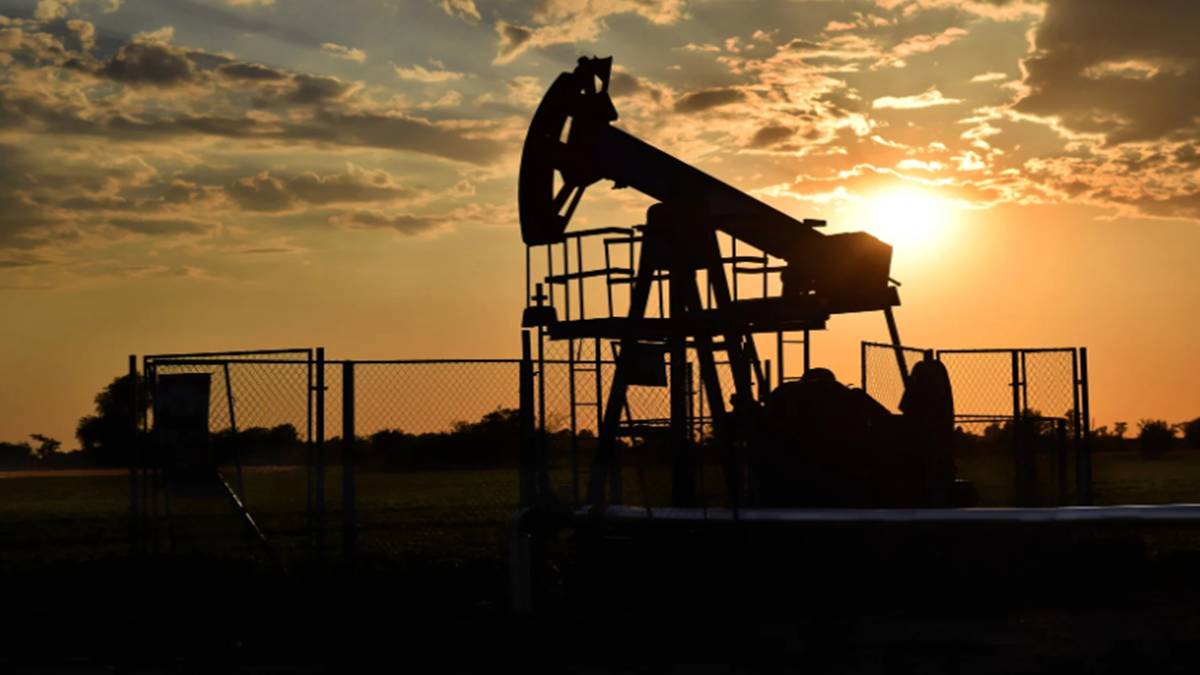
US President Donald Trump’s decision to allow Russian diesel to reach global markets has opened a new front in the dispute over how Washington should use energy trade to pursue peace in Ukraine. The deal could offer Russia a route to earn revenue from fuel exports while giving the Trump administration another way to bring Moscow back to negotiations. Ukraine, however, fears that Russia could benefit economically without making meaningful concessions to end the war. The deal comes as Trump presses Ukrainian President Volodymyr Zelenskyy to stop attacks on Russian oil refineries. Kyiv, in turn, has said it would support an energy ceasefire if Russia also halts attacks on Ukraine’s energy infrastructure. Neither side has confirmed a mutual agreement. What does US-Russia diesel deal allow? The US Treasury Department’s Office of Foreign Assets Control (OFAC) issued General License 135 on October 9, authorising specified transactions involving the sale, delivery, offloading and importation of Russian-origin diesel, including imports into the US. The authorization runs until 12:01 am Eastern Daylight Time on April 7, 2027. The licence does not lift all financial restrictions on Russia. It specifically excludes transactions involving debits to accounts held at US financial institutions by the Central Bank of Russia, the National Wealth Fund and the Ministry of Finance. Trump said Russia would supply more than 300,000 metric tonnes of diesel, equivalent to about 2.25 million barrels, to US and global markets. He also referred to another 500,000 tonnes in November and a further 1 million tonnes “immediately thereafter”, Reuters reported. Russia partially lifted its diesel export ban from October 10. Kremlin spokesman Dmitry Peskov said on October 15 that Russian diesel had begun reaching global markets and could help stabilize oil markets, although the additional supply would not be enough to stabilize them fully. Data from the London Stock Exchange Group showed that Russia had resumed diesel export loadings from the Baltic port of Primorsk. Reuters reported that a tanker carrying around 40,000 metric tonnes of ultra-low-sulphur diesel was loaded on October 13 and was heading towards Morocco. ALSO READHormuz to Black Sea: Dual wars turn diesel, tankers into new weapons of economic warfare However, the reported shipments do not establish how much fuel will ultimately reach the US or how significantly the additional supply will affect prices. Reuters cited US Energy Information Administration data showing that the US transport sector alone consumes around 2.94 million barrels of diesel a day. The initial 2.25 million barrels would amount to less than one day of that sector’s demand. Can diesel exports help bring Russia back to peace talks? US envoys Steve Witkoff and Jared Kushner presented the diesel arrangement as part of a broader effort to restart negotiations with Russia during a meeting with Ukrainian officials in Miami, Reuters reported, citing three people familiar with the discussions. Two of those sources said the US side viewed the deal as a way to encourage Moscow to return to talks by showing that Washington was willing to offer an economic opening. “The idea was that the US could go back to Russia and say ‘See, the Ukrainians stopped striking and we gave you this deal. Now it’s your turn to do something,’” one person familiar with the meeting told Reuters. The discussions also covered security guarantees for Ukraine and the possibility of renewed trilateral talks. However, Ukrainian officials left the meeting without committing to an agreement, although they indicated they would consider an energy ceasefire if Russia accepted the same conditions. ALSO READHow Saudi economy has taken a hit amid Houthi attacks The US representatives did not threaten to withdraw military or intelligence support if Kyiv refused to stop attacking Russian refineries, Reuters reported. Russia and Ukraine remain far apart on the terms of a settlement. A person close to the Kremlin told Reuters that Russian President Vladimir Putin would return to negotiations only if he secured the remaining 11% of the Donbas region, which he could present domestically as a victory. Ukraine has rejected handing over additional territory, although it has said freezing the conflict along existing battle lines could provide a basis for a peace agreement. The diesel arrangement therefore remains an attempt to encourage negotiations rather than evidence that Russia has agreed to change its position. Why has Ukraine objected to the deal? Zelenskyy has criticised the arrangement as a “gift to Putin”. Kyiv’s concern is that Russia could earn additional export revenue and gain a diplomatic advantage without first making concessions on the war, reported AP. The planned exports were unlikely to have a major effect on global fuel prices but could help Moscow replenish its war funds, reported AP. Mark Galeotti, a Russia expert who heads Mayak Intelligence, described the arrangement as an “astonishing birthday present” for Putin. Although he said the fuel volume could be small compared with overall demand, he argued that the political impact could be more significant. “It drives another and increasingly thick wedge between Trump and Zelenskyy,” Galeotti told AP. Ukraine has used drone attacks and other strikes against Russian refineries and oil infrastructure to disrupt fuel supplies and reduce Moscow’s export earnings. AP reported, citing Ukraine’s defence ministry, that Ukrainian attacks had knocked out more than half of Russia’s oil-refining capacity. Russia’s ability to deliver the promised quantities has also been questioned. Some officials and analysts doubted whether Moscow could fulfil the planned supply, while others said Russia had a diesel surplus following a seasonal decline in demand after the harvest period. German analyst Janis Kluge told AP that Russia had planned to export more diesel anyway. What does Trump’s latest criticism mean for energy truce? The disagreement intensified on October 16, when Trump called Ukraine’s renewed attacks on Russian refineries a “disgrace”. In an interview with Newsmax, he accused Kyiv of pushing up global energy prices by striking facilities that produce diesel. “All he's doing is making the world oil price higher. Well, I think that's a disgrace,” Trump said. He said that attacks on diesel refineries harmed consumers who depended on fuel supplies. The remarks followed a Ukrainian strike on a Rosneft refinery southeast of Moscow, Reuters reported. Zelenskyy had also said Kyiv was abandoning the energy ceasefire Trump had announced on October 11, while criticising Washington’s willingness to make deals with Moscow. The ceasefire itself remains unconfirmed. Neither Russia nor Ukraine has publicly established that both sides agreed to the same terms. Russia continued to strike Ukrainian energy facilities after Trump’s announcement. Zelenskyy said he would support a truce if it also stopped Russian attacks on Ukraine’s power grid. Kremlin spokesman Dmitry Peskov said “contacts are ongoing”, according to AP, while Russian Foreign Minister Sergey Lavrov dismissed Zelenskyy’s comments as an attempt to promote his own interests in a ceasefire. Moscow has continued to call for a comprehensive, long-term agreement rather than a temporary pause in hostilities. Ukraine faced reduced use of a satellite system relied on for battlefield communications and drone operations, reported Reuters. Two US officials and a Western official told Reuters that the order came from inside the White House. However, the report did not establish whether the move was directly linked to the diesel arrangement. Economic and diplomatic trade-offs The immediate economic impact of the diesel arrangement remains uncertain. The initial volume cited by Trump is small relative to US transport-sector demand, and the reported shipments do not establish how much additional fuel will reach American markets. For Russia, the potential benefit extends beyond the amount of diesel sold. Additional export revenue could support its finances, while the US decision to authorise specified transactions may signal a willingness to offer economic concessions during negotiations. For Washington, the challenge is to use that opening to secure meaningful Russian engagement without undermining the sanctions pressure applied since Russia’s full-scale invasion of Ukraine in 2022. For Kyiv, the concern is that Russia could gain economically and politically while continuing attacks on Ukrainian infrastructure. The arrangement has not produced a publicly confirmed Russian concession on ending the war, and the proposed energy ceasefire remains unconfirmed. Its diplomatic value will depend on whether Moscow responds with concrete steps towards negotiations. For now, Russian diesel exports have resumed, the US has authorised specified transactions through April 7, 2027, and the Trump administration has presented the arrangement as part of its broader effort to restart talks.
Financial Express
Related Articles

Ladakh’s infrastructure plan: 5 projects worth ₹3,350 cr to boost air connectivity, roads, tourism - The Economic Times Video | ET Now
Prime Minister Narendra Modi inaugurated five projects worth ₹3,350 crore in Ladakh, spanning a new airport terminal, a…

Ravita Engineering Services IPO subscribed 6.68 times on final day; check GMP- Moneycontrol.com
Ravita Engineering Services IPO | The company is raising Rs 116.05 crore through the public issue, comprising a fresh is…